Hunting the Edge of a Bog
For any hunter who’s spent time in Ontario’s vast wilderness, the phrase "bog edge" can conjure up a mix of frustration and excitement. These soggy, often impenetrable expanses can seem like a nightmare to navigate, but don't let their daunting appearance fool you. The transition zones where solid ground meets the squishy, nutrient-rich bog are incredible magnets for game. This guide is all about demystifying these unique ecosystems and equipping you with the know-how to successfully hunt the edge of a bog.
Understanding the Ontario Bog Ecosystem
Ontario's landscape is incredibly diverse, and bogs are a significant, albeit often challenging, part of it. These wetlands are characterized by acidic, nutrient-poor water, and a thick mat of sphagnum moss. What makes them so interesting for hunters isn't the bog itself, but where it meets the forest. This seam, this edge, is a critical corridor and feeding ground for various game species.
What Defines an Ontario Bog Edge
Think of a bog as a giant, spongy sponge. The water table is usually at or near the surface, and the ground beneath is often peat. Trees in the heart of a bog are typically stunted, like black spruce and tamarack, due to the harsh conditions. The "edge" is where this changes dramatically. It's the transition from the wet, open bog or stunted forest to higher, drier ground with more mature deciduous or mixed forests. This could be a gradual slope, a slight rise in elevation, or even an old geological feature like a rock ridge that suddenly offers solid footing.
These edges are often rich in moisture-loving plants that some game animals crave, especially in certain seasons. They also provide dense cover, thermal regulation, and a sense of security for animals moving between different habitat types. The ground here might still be soft and damp, but it's navigable, unlike the deeper, central parts of the bog that can swallow a boot whole.
Why Game Animals Gravitate Towards Bog Edges
Game animals, whether we're talking about whitetail deer, moose, or even black bears, are all about efficiency and safety. Bog edges provide both. For deer, a bog edge offers excellent cover, especially during periods of heavy hunting pressure. They can slip into the thick, protective vegetation of the bog for security and then move to the firmer edge for browsing opportunities. It’s a perfect escape route too; few hunters are willing to follow them deep into the mire.
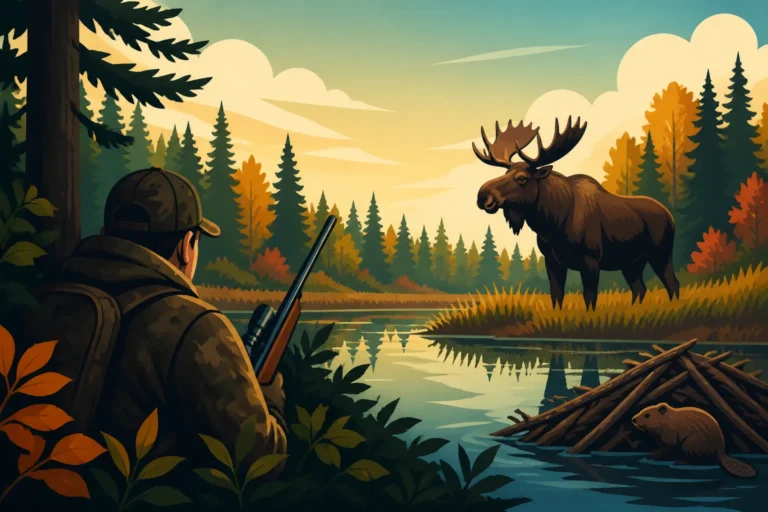
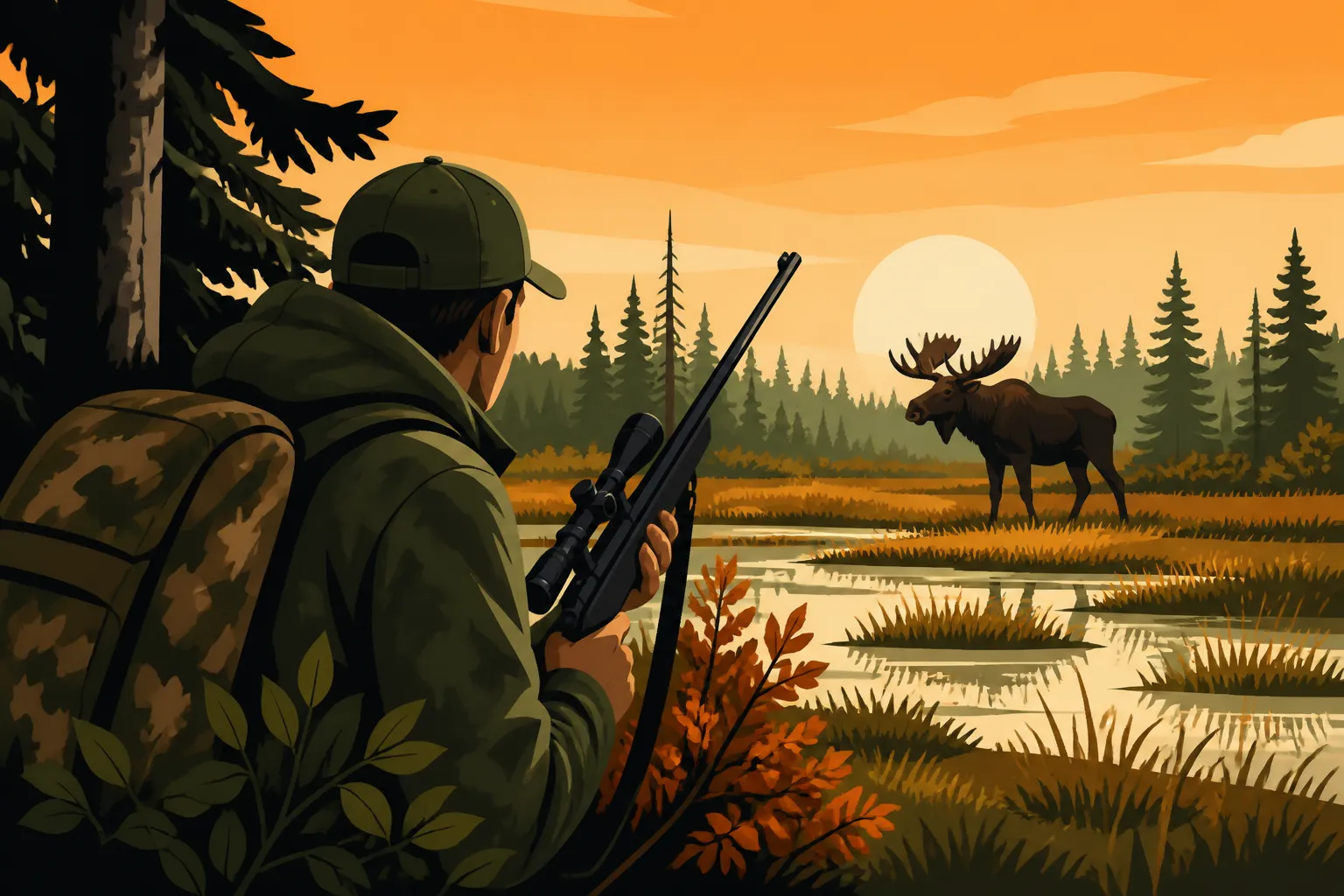
Moose, on the other hand, are practically built for bogs. They thrive on the aquatic vegetation found in the wetter areas and will often browse on willow and other shrubs along the edges. A bog edge provides easy access to water, cover, and often nutrient-rich forage that might not be available in drier uplands. You'll often find them just inside the tree line, enjoying a meal or bedded down for the day. Bears will frequent these areas too, especially when berries are ripe, as many berry-producing shrubs thrive in the damp, sun-dappled conditions of a bog’s periphery.
The distinct difference in vegetation along these edges creates a diverse food source. From blueberry patches in late summer to willow shoots for moose and various fungi for deer, the buffet line along a bog edge can be quite extensive. It's also a natural funnel. Animals moving between different forest types, feeding areas, or bedding zones will often use the firmer ground of a bog edge to avoid dense thickets or wide-open spaces.
Reading the Bog Edge for Game Sign
Understanding why animals use bog edges is one thing, but figuring out how they use them is where scouting truly shines. The soft ground often found along these transition zones can be a fantastic canvas for revealing game activity. You'll need to develop a keen eye for subtle clues and learn to interpret the stories left behind.
Identifying Key Travel Corridors
Animals, particularly deer and moose, are creatures of habit. They will often use the path of least resistance. Along a bog edge, this usually means finding the driest, firmest ground that offers the best cover. Look for well-worn trails, especially those that parallel the water's edge or run along a slight elevation change. These trails might not be as obvious as a deer trail through a hardwood forest; they could be faint depressions in the moss or broken twigs where an animal habitually steps.
Pay close attention to any natural pinch points. These are areas where the firm ground narrows, forcing animals to funnel through a smaller section. This could be a small promontory jutting into the bog, a slight rise in elevation forming a natural bridge, or even where a beaver pond has flooded part of the bog, creating a drier pathway around it. These pinch points are prime locations for ambush, as game animals are almost guaranteed to pass through them. Sometimes, a well-placed game camera can confirm these travel patterns before you commit to setting up a stand. Tools like GoHunt can help you identify these topographical features from aerial maps, saving you valuable time on the ground.
Deciphering Tracks and Droppings
The soft, damp ground along a bog edge is ideal for showing tracks. You'll often find clear imprints of deer hooves, moose tracks, and even bear paws. Learning to differentiate between fresh and old tracks is crucial. Fresh tracks will have sharper edges, and the soil or mud within them might still be moist. Older tracks will appear weathered, sometimes filled with water or dried out. Look for track consistency: if you see a continuous line of fresh tracks heading in a specific direction, you’ve likely found a primary travel route.
Droppings are another goldmine of information. Their freshness can tell you how recently an animal was in the area. The type of droppings can also indicate what the animal has been eating, providing clues about preferred forage in that particular bog. For example, deer droppings that are soft and clumped might suggest a diet of lush, moist vegetation, while harder pellets indicate drier browse. Pay attention to the size and shape; a large pile of moose pellets is unmistakable, while smaller, more numerous deer droppings require a closer look. If you find a lot of fresh droppings along a specific trail, you know that spot is getting consistent use.
Browsing and Rubs: What Animals Are Eating
The vegetation along a bog edge tells a story about what animals are eating. Look for signs of browsing: nipped twigs, stripped leaves, or bark rubbed off trees. Deer typically browse on new growth, leaving a jagged edge where they’ve torn off a bite. Moose, with their large mouths and preference for woody browse, will often strip leaves and bark more aggressively, leaving a cleaner, frayed edge on branches. If you can identify their preferred browse, you can key in on specific areas within the bog edge where that vegetation is abundant.
Rubs and scrapes are particularly indicative of whitetail activity during the rut. A rub is where a buck has polished his antlers on a small tree or sapling, often leaving behind bark shavings and antler scent. Scrapes are bare patches of ground, often under an overhanging branch, where a buck has pawed away the leaves and urinated, depositing scent. Finding these along a bog edge confirms not only that bucks are in the area, but that they are actively communicating their presence. During "Hunting the Rut in Early to Mid November", these signs become incredibly important. An active rub line or scrape near a bog edge can be a perfect place to set up a stand, as bucks will often check these signs regularly.
Effective Hunting Strategies for Bog Edges
Hunting bog edges isn't like hunting a woodlot or a cornfield. It requires a specific approach, an understanding of the terrain, and often, a lot of patience. The unique challenges also present unique opportunities for those willing to adapt.
Stand Placement for Bog Edge Success
When it comes to stand placement, visibility and wind direction are always paramount, but even more so near a bog. Because bogs often sit in depressions, they can create unpredictable air currents. Prevailing winds might swirl or become calm over the bog, making scent control even more critical. Always play the wind, and consider setting up on a slight rise or a firm point that offers a good vantage point downwind of likely travel routes. You need to be able to see into the thicker cover of the bog and also have a good view of the firmer ground where animals will be moving.
Think about access and exit routes that minimize disturbance. You don’t want to walk directly through the game's likely approach or departure paths. A good stand location allows you to get in quietly, without being seen or heard, and leave just as silently after your hunt. Sometimes this means hiking a bit further around the bog to approach from a less-used direction. For detailed advice on setting up, consider tips from "Hanging a Stand on an Ontario Bush Edge". Often, the trees along a bog edge are older and larger, providing excellent cover and sturdy options for treestands. If possible, set up where you can see a natural funnel or a convergence of trails.
| Game Species | Preferred Bog Edge Activity | Optimal Stand Placement | Key Season/Time |
|---|---|---|---|
| Whitetail Deer | Browsing, bedding, travel corridors, rut activity | Downwind of pinch points, near fresh rubs/scrapes, overlooking transition to uplands | Early morning, late afternoon, peak rut |
| Moose | Browsing on aquatic vegetation, travel between feeding and bedding, rut calling | Overlooking willow thickets, near water access, along established trails | Morning/evening for feeding, mid-day for bedding, rut calling during October |
| Black Bear | Foraging for berries/nuts, travel corridors, bedding | Near berry patches, along dense cover transitions, near known travel routes | Spring (active feeding), Fall (pre-hibernation) |
| Waterfowl | Resting, feeding on aquatic plants, shelter | Overlooking open water pockets or marshy areas within the bog | Early morning, late afternoon (migration) |
Still-Hunting and Stalking Bog Edges
Still-hunting the edge of a bog can be incredibly effective, especially if the terrain offers enough firm ground for quiet movement. This method involves moving slowly, taking a few steps, then pausing for several minutes to observe and listen. The dense cover and often soft ground can muffle your footsteps, allowing for a stealthy approach. However, the uneven ground, hidden roots, and potential for deep mud can also make it challenging to move silently.
Focus on moving into the wind or with a crosswind. Use the available cover, such as thickets of spruce or tamarack, to conceal your movements. If you're hunting deer or moose, look for subtle shifts in vegetation or slight rises in elevation that might offer a hidden advantage. For example, a small rise in the ground that leads into the bog might be a perfect spot to pause and glass ahead, using your binoculars to pick apart the dense cover. This is a tactic that can work wonders in similar environments, like when "Hunting a Cedar Swamp Edge". Be prepared for quick shots, as animals can appear and disappear just as quickly in the thick cover.
Calling and Decoy Strategies
Calling can be very effective in bog edge environments, particularly for moose and deer during the rut. The dense cover can limit visibility, making vocalizations a primary way to attract game. For moose, calling can involve cow calls, bull grunts, or even antler raking to mimic a bull fighting. Bogs often provide ideal acoustics, with the open water and dense trees carrying sound effectively. During "Calling a Bull Moose in the Rut", the sounds can travel far across the open bog, drawing in curious animals.
For whitetails, grunt calls, bleats, and rattling can be excellent tools. The thick cover of the bog edge often makes bucks feel secure, and they might be more willing to investigate calls. If you’re trying to call in a buck during the rut, position yourself so any incoming animal will have to approach within shooting range before scenting you. Decoys can also play a role, especially for deer. A well-placed buck or doe decoy near a scrape line along the bog edge can entice a dominant buck to investigate, thinking it’s an intruder or a potential mate. However, ensuring you can see and respond to a curious animal is critical, so choose an open enough spot for visibility.
Essential Gear and Safety for Bog Hunting
Hunting bog edges isn't for the faint of heart or the unprepared. The terrain can be challenging, even treacherous, and being properly equipped is paramount for both success and safety. From specialized footwear to crucial navigation tools, the right gear can make or break your hunt.
Footwear and Clothing for Wet Terrain
First and foremost, you need serious footwear. Forget your regular leather hiking boots; they simply won't cut it. Knee-high rubber boots are almost a prerequisite for hunting bog edges. Brands like Muck Boot or Lacrosse are popular choices among Ontario hunters because they offer excellent waterproofing and decent insulation. Look for boots with aggressive tread for traction on slippery moss and mud. Waders might even be necessary if you anticipate having to cross very wet or shallow water sections to reach your hunting spot. Having wet feet in cold weather is not only miserable, but it can quickly lead to hypothermia.
Your clothing choices should also prioritize warmth, moisture-wicking properties, and quietness. Layers are always key, allowing you to adjust to changing temperatures throughout the day. Opt for synthetic or wool base layers, which retain warmth even when damp. An outer layer that is both waterproof and breathable is essential to protect against rain, snow, and the inevitable splashes from wet ground. Blaze orange requirements in Ontario mean you'll need to incorporate this into your outer layer for visibility to other hunters, especially when still-hunting the dense cover.
Navigation and Communication in Remote Areas
Bog country, especially in northern Ontario, can be incredibly disorienting. The dense, uniform vegetation and lack of distinctive landmarks make it easy to get turned around. A reliable GPS unit or a smartphone with a robust hunting app like GoHunt, loaded with offline maps, is absolutely non-negotiable. Mark your vehicle, your stand locations, and any significant terrain features that might help you orient yourself. Having a physical compass and map as a backup, and knowing how to use them, is also a smart move. This skill is critical, particularly when you're in areas where cell service is non-existent. For general preparedness, ensure you know "What to Do If You Get Turned Around".
Communication is another vital safety component. A satellite messenger device, like those from Garmin InReach or Spot, can literally be a lifesaver. These devices allow you to send SOS messages, communicate with loved ones, and share your location even when you’re far beyond cell service. Always let someone know your hunting plan, including where you're going and when you expect to return. This simple step can make a huge difference if something goes wrong.
Essential Safety Gear and Emergency Preparedness
Beyond navigation and communication, a well-stocked survival kit is essential. This should include a first-aid kit, fire-starting materials (waterproof matches, lighter, fire steel), a headlamp with extra batteries, an emergency shelter (like a space blanket or lightweight tarp), plenty of water, and high-energy snacks. A good sharp knife is always a given. Consider bringing a small folding saw or hatchet, which can be invaluable for clearing shooting lanes or building a small shelter in an emergency.
Bog edges, by their nature, can be home to less friendly wildlife as well. Being aware of local bear populations and carrying bear spray is a wise precaution, especially during spring and fall hunts. When you do harvest an animal in a wet area, remember that meat care is crucial. Knowing how to efficiently field dress and extract your game, especially in "Meat Care in Ontario's Warm Early Seasons", can prevent spoilage. Plan your extraction route beforehand, considering the soft ground and potential for heavy lifting. A game cart or sled might be a good investment if you anticipate hunting deeper into these challenging, yet rewarding, environments.
Disclaimer
Hunting is an inherently risky activity. Always prioritize safety, adhere to all local, provincial, and federal hunting regulations, and ensure you have the necessary training and licenses before heading out. This guide provides general information and recommendations; specific conditions and rules may vary.