What to Do After Drawing an Ontario Elk Tag
An Ontario elk tag requires verifying tag details, confirming Wildlife Management Units, and checking short season dates.
Close the distance.
Archery, muzzleloader, and firearm techniques — calling, stand placement, still-hunting, spot-and-stalk, and the weapon rules that change at the state line.
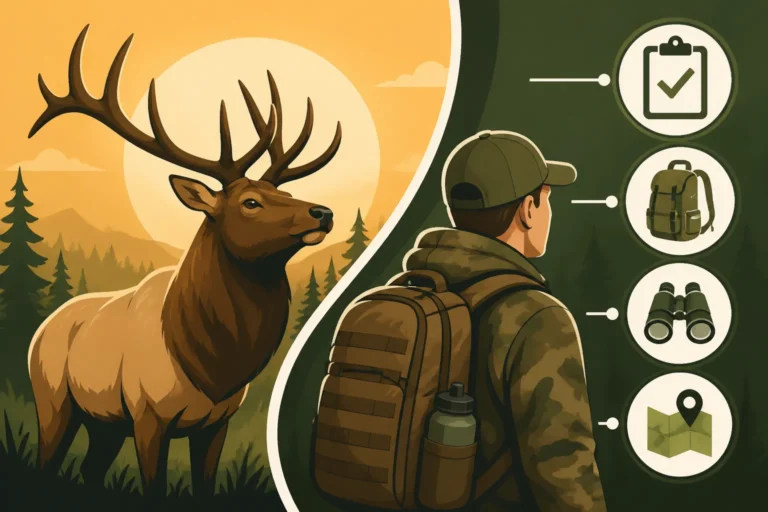
An Ontario elk tag requires verifying tag details, confirming Wildlife Management Units, and checking short season dates.
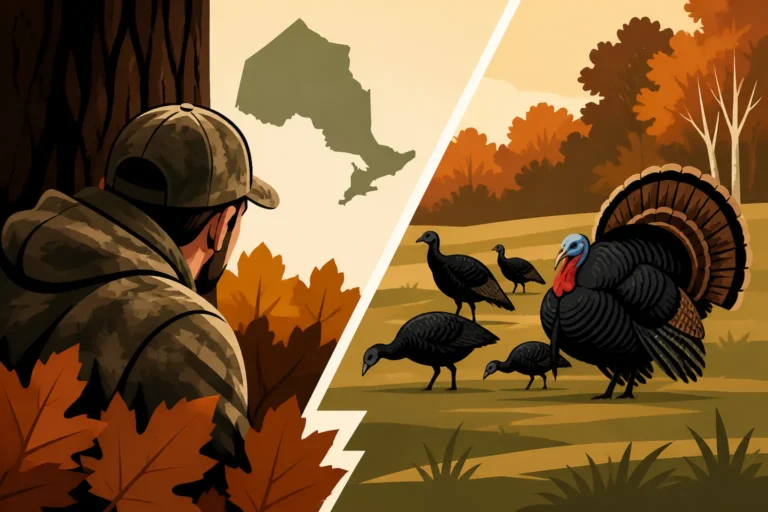
Breaking up fall turkey flocks triggers their survival instinct to regroup, making Ontario birds responsive to assembly calls.
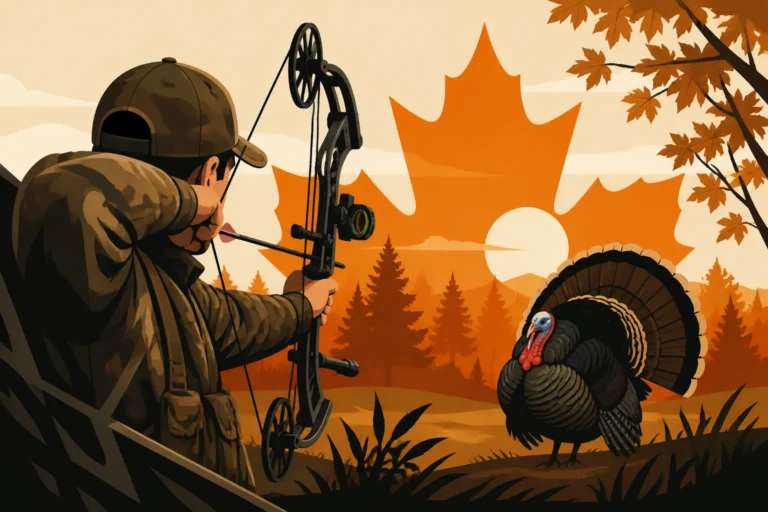
Fall turkey bowhunting in Ontario requires understanding autumn flock behavior, food sources, and specialized archery strategies.
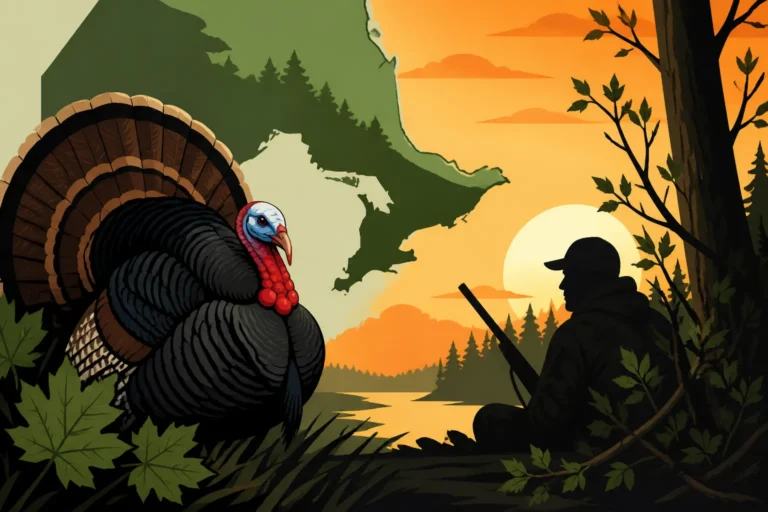
Ontario wild turkeys go silent in late May because breeding ends, dense foliage grows, and heavy hunter pressure increases.
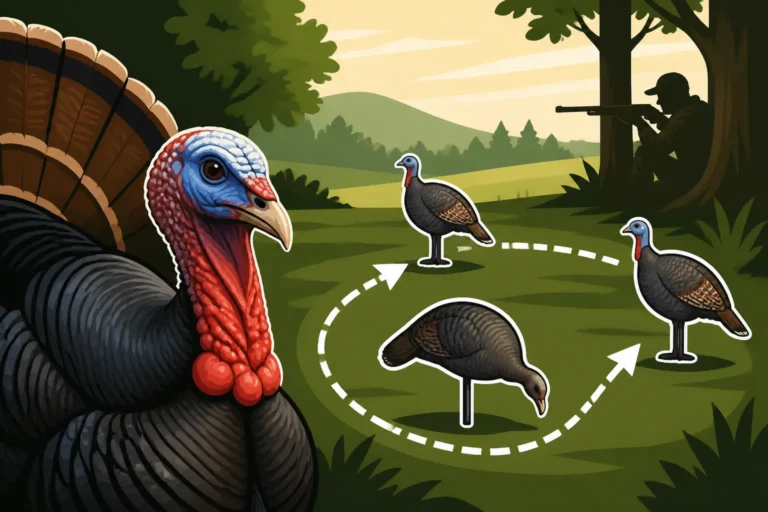
Advanced decoy placement strategies help hunters overcome wary behavior in pressured Ontario gobblers and secure successful harvests.
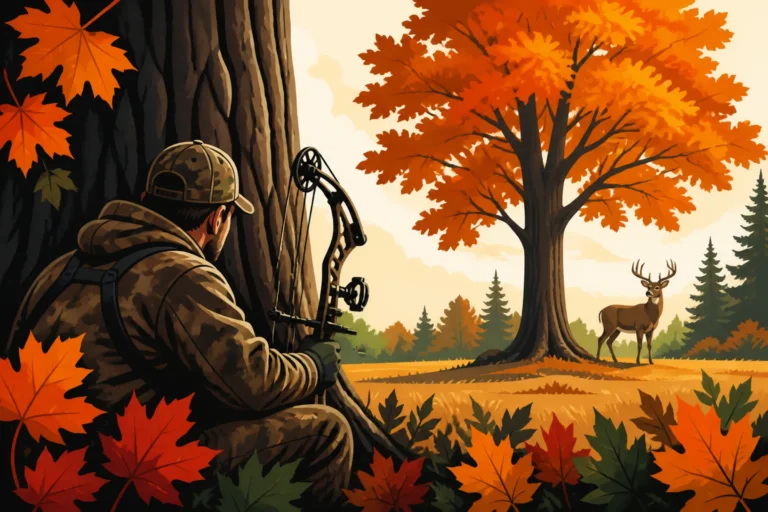
Hunting whitetail deer near old-growth maples requires selecting optimal trees for natural concealment, stability, and wind breaks.
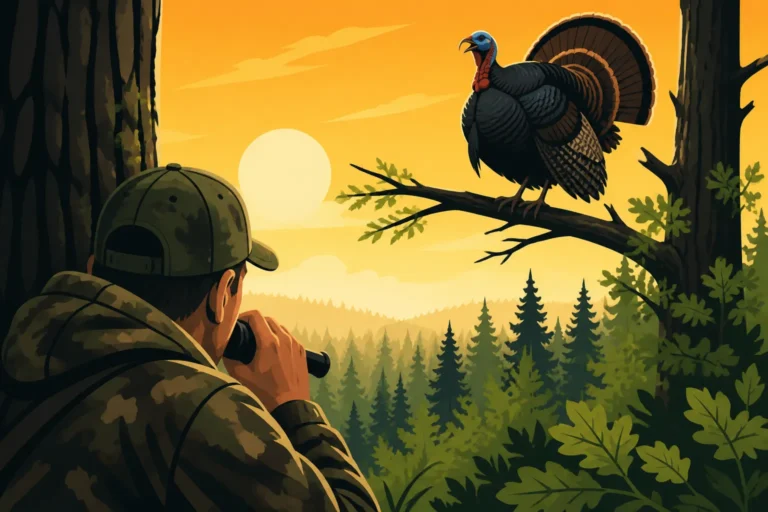
Calling a gobbler off an Ontario roost explains morning routines, safety instincts, and soft hen calls to tag spring birds.
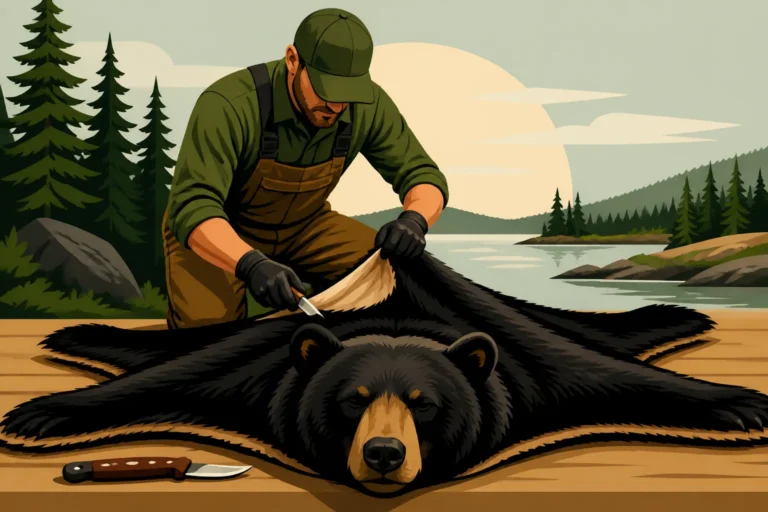
Preparing a harvested black bear hide for the taxidermist starts before the first cut, with fast cooling and meticulous work that decides if the rug survives.
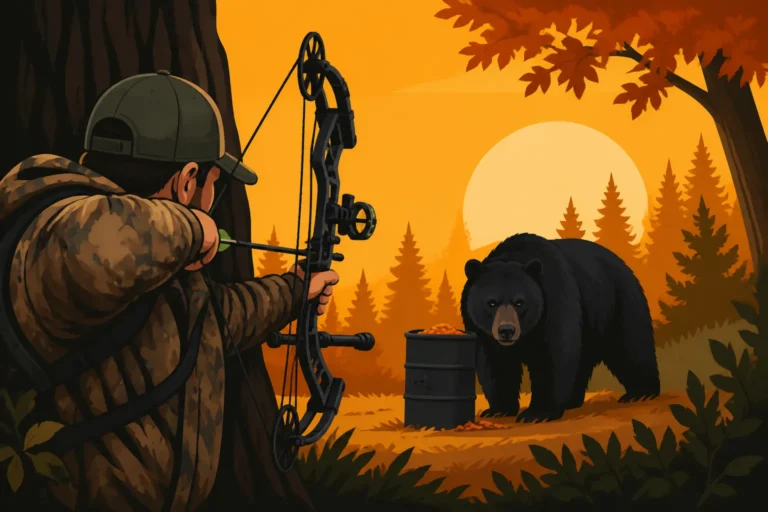
Ontario black bear hunting strategies for September explain how natural food sources change animal movement patterns near baits.
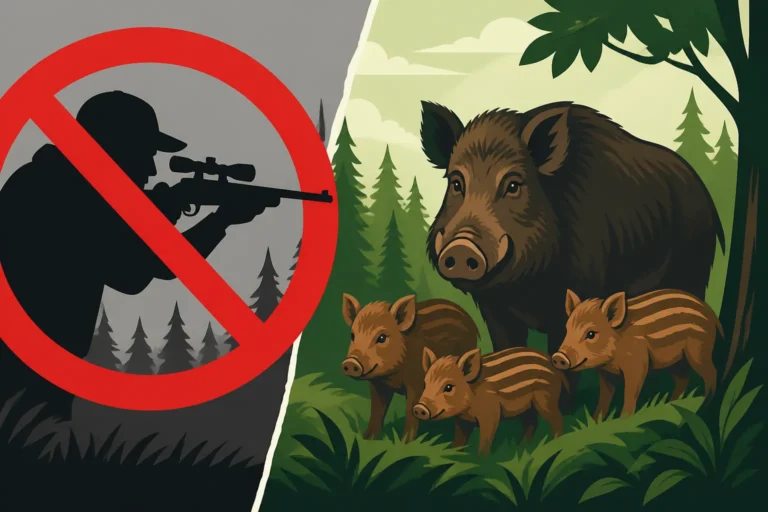
Ontario bear hunting regulations prohibit shooting a sow with cubs to protect the black bear population and reproductive cycle.