Hunting a Frozen Lakeshore in the North
Northern Ontario frozen lakeshore hunting offers unique winter wildlife tracking methods and strategies for remote northern environments.
Find ground you can hunt.
National forest, BLM, and state land — WMAs, walk-in programs, unit boundaries, access rules, and how to get permission on private ground.
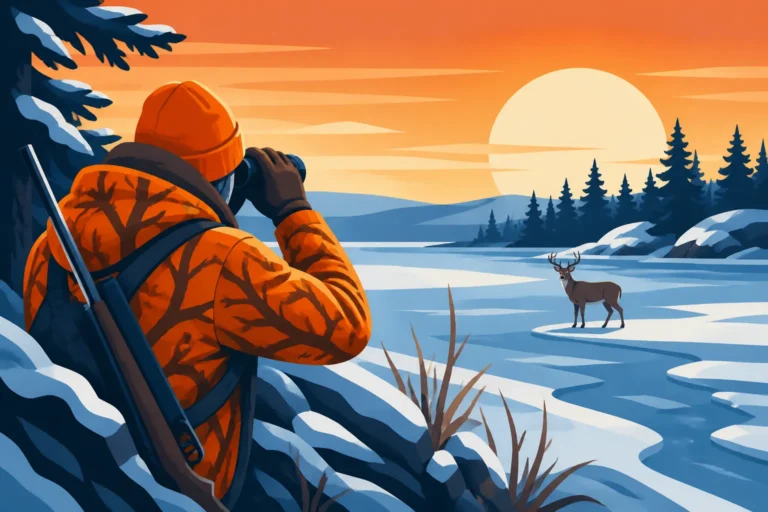
Northern Ontario frozen lakeshore hunting offers unique winter wildlife tracking methods and strategies for remote northern environments.
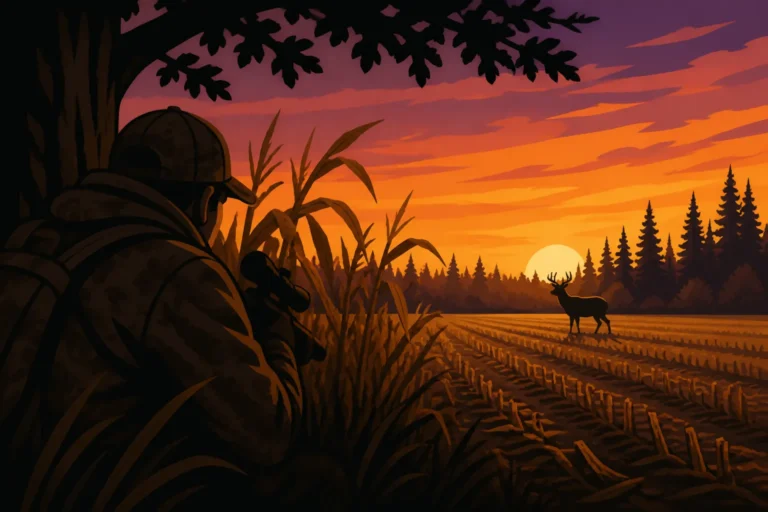
Deer movement patterns in Ontario agricultural fields explain why hunting field corners at dusk increases hunting success.
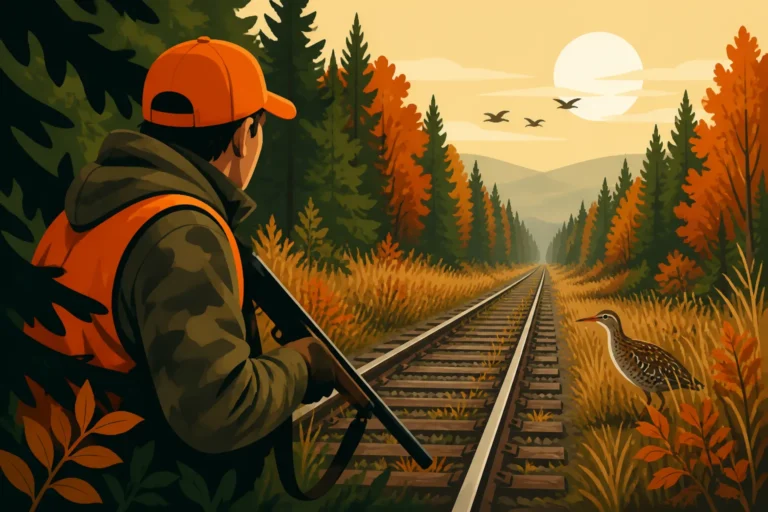
Old rail trail corridors in Ontario offer unique hunting opportunities and wildlife movement corridors for local hunters.
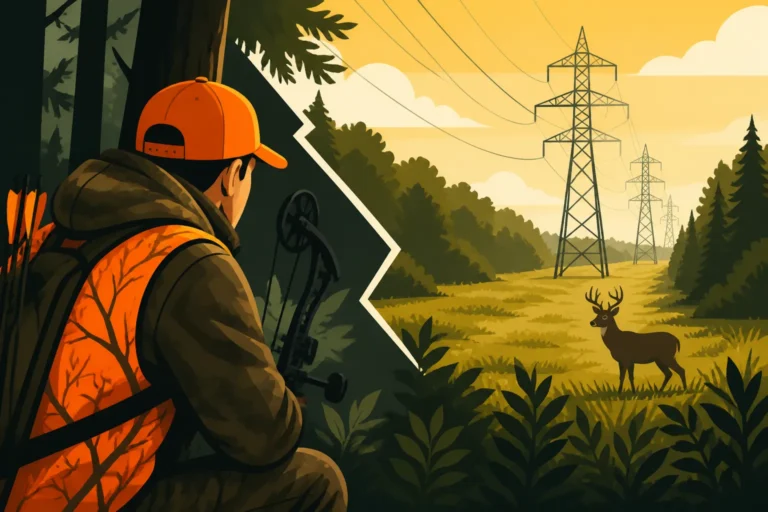
Ontario hydro corridor edges attract deer, moose, and bear with diverse plant life, sun-drenched feeding grounds, and wildlife travel routes.
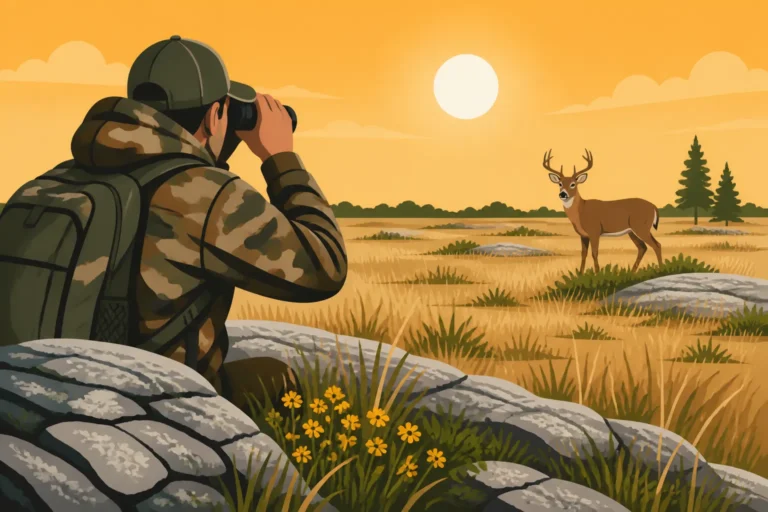
Ontario alvar grassland ecosystems on shallow limestone bedrock present rare open terrain hunting challenges across the province.
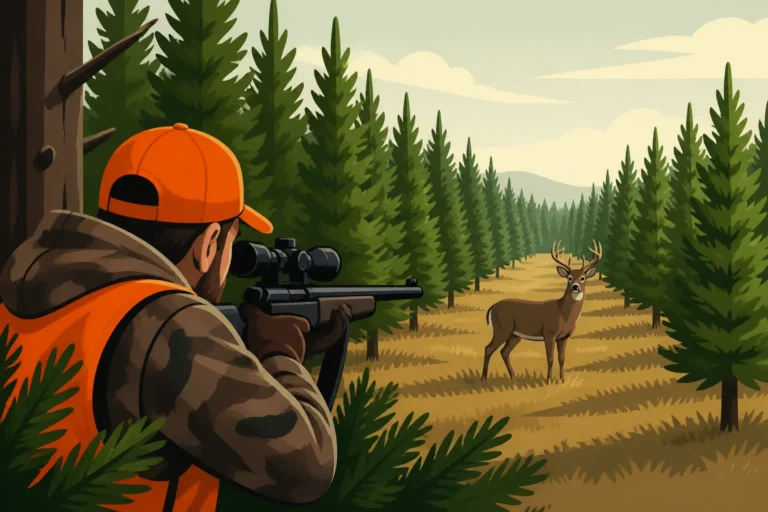
Pine plantation hunting in Ontario provides deer with thermal cover and security, acting as safe bedding areas during winter.
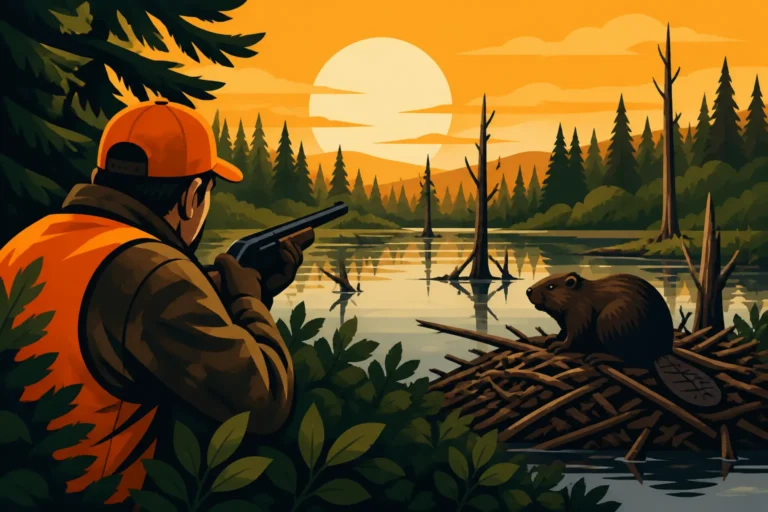
Beaver flowages in Ontario wilderness concentrate game by providing water, edge habitat, vegetation, and natural travel corridors.
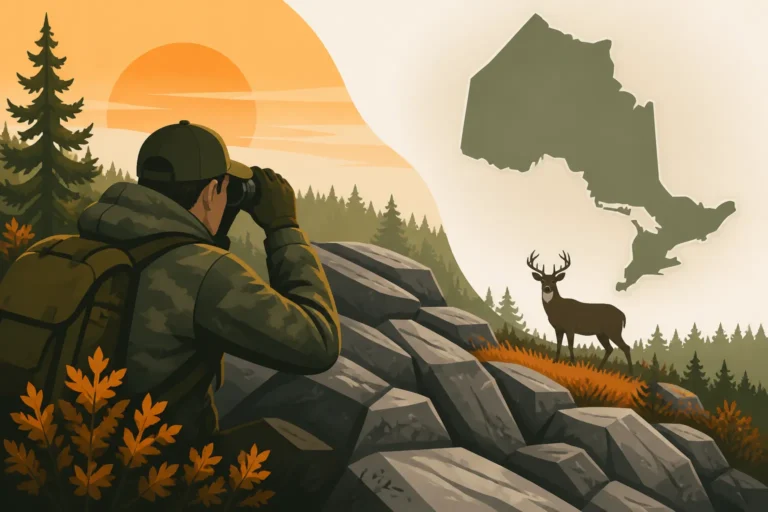
Ontario rock barren edge habitats attract white-tailed deer, moose, and black bears by providing warm bedding areas and predictable travel routes.
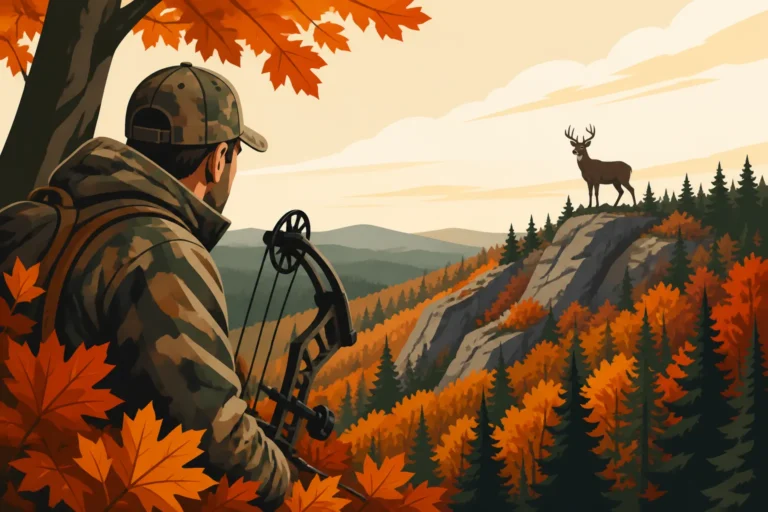
Hardwood ridges in Ontario Shield Country provide whitetail deer food and shelter, drawing them to specific terrain features.
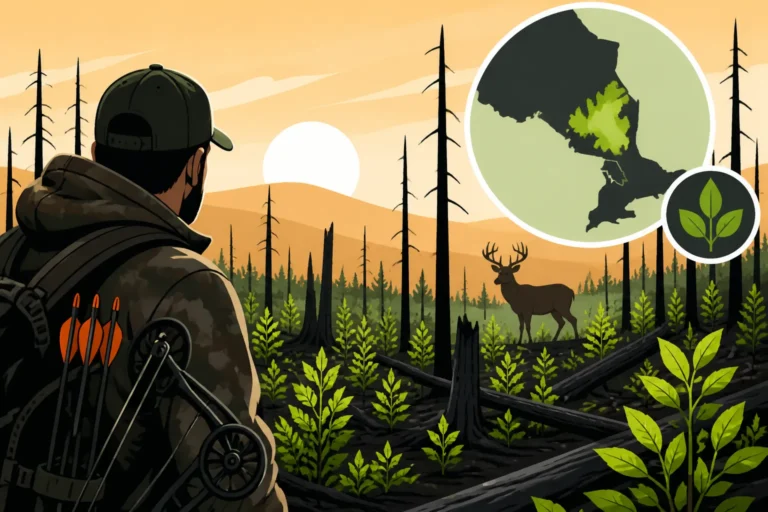
Hunting a regenerating three year old forest burn in Ontario provides specific strategies to track moose, deer, and small game.