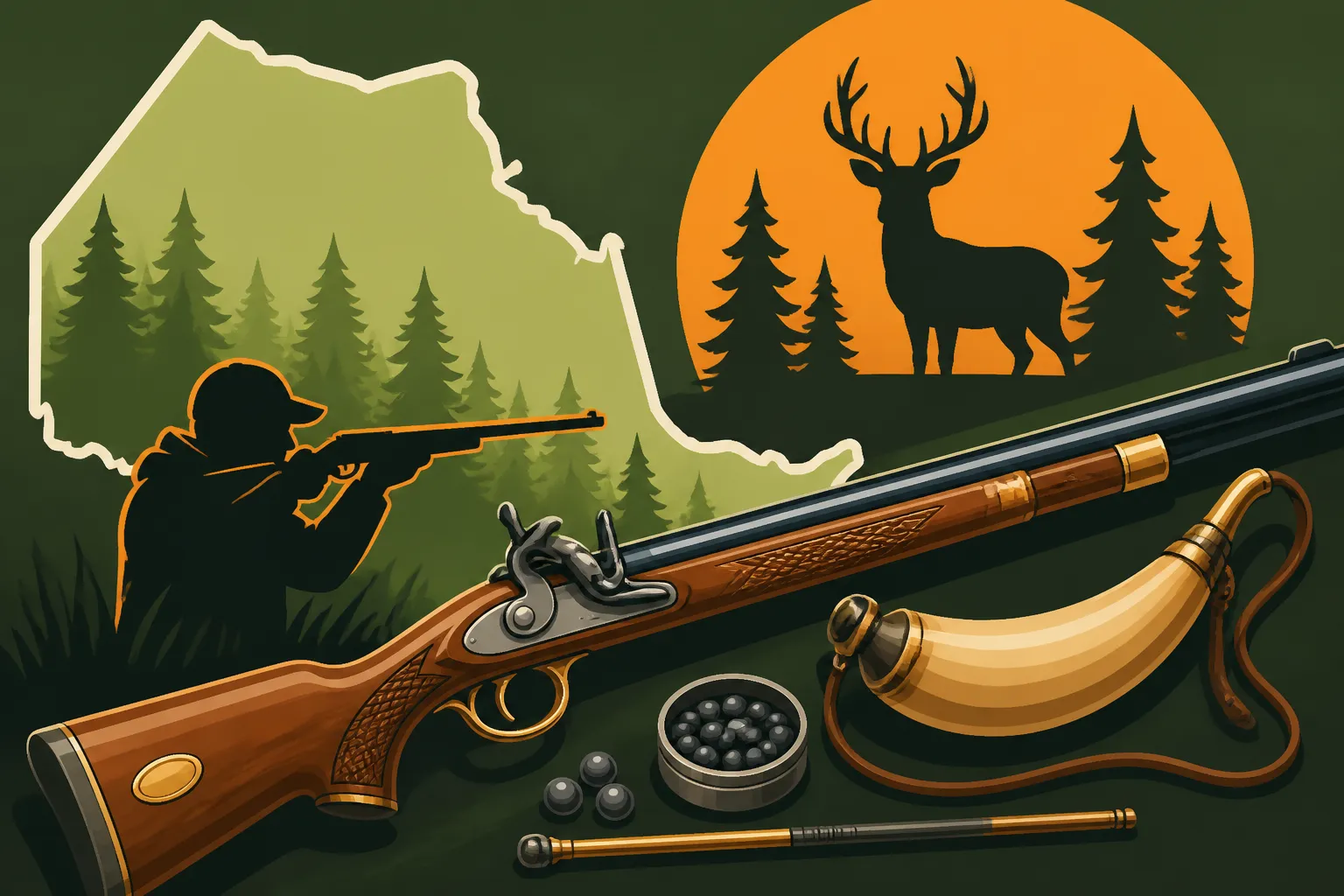
Ontario Muzzleloader Equipment Rules
Navigating the world of muzzleloader hunting in Ontario can feel a bit like stepping back in time, but with a modern twist of regulations that can sometimes leave you scratching your head. It's not just about the thrill of the smoke and the crack of the cap; it's about making sure your equipment aligns perfectly with what the province deems legal and safe. This guide aims to demystify Ontario's muzzleloader equipment rules, offering a clear path through the regulations so you can focus on the hunt with confidence, knowing your gear is compliant.
The Specifics of Muzzleloader Regulations in Ontario
When you're out in the Ontario bush with a muzzleloader, there's a certain reverence for tradition, a connection to the past that many modern firearms just can't replicate. However, this traditional approach doesn't mean a free-for-all when it comes to what you can use. Ontario has clear guidelines to ensure ethical hunting practices and public safety, and understanding these specifics is crucial before you ever step foot in the woods. These rules are designed to ensure fair chase and prevent misuse, keeping the spirit of the hunt alive while respecting conservation efforts.
Permitted Calibers and Projectiles
Let's get down to the brass tacks of what your muzzleloader needs to be chambered in and what you can load it with. For hunting big game in Ontario, there's a minimum caliber requirement. Your muzzleloader must be at least .44 caliber to pursue species like deer, moose, or bear. This isn't just an arbitrary number; it's set to ensure humane kills and prevent unnecessary suffering for the animal. Trying to hunt big game with a smaller caliber muzzleloader is not only illegal but also highly unethical, as it significantly reduces your chances of a clean, swift kill.
When it comes to projectiles, Ontario offers a bit of flexibility. You're generally allowed to use round balls, conical bullets, or saboted projectiles. The key here is that these must be loaded from the muzzle. Traditional round balls, often cast from pure lead, are a classic choice and still highly effective at closer ranges. Conical bullets, which are typically longer and heavier than round balls, tend to offer better ballistic coefficients and can be more accurate at slightly longer distances. Then there are saboted projectiles, which consist of a smaller diameter bullet encased in a plastic sabot that peels away upon exiting the barrel. These can allow you to shoot more modern bullet designs, like jacketed or hollow-point bullets, provided they are specifically designed for muzzleloader use and loaded from the muzzle. The crucial distinction is that the bullet itself must be loaded through the barrel opening, not from a breach. Any bullet that is self-contained in a modern cartridge, or loaded in a way that bypasses the muzzle, is not permitted under these specific regulations for muzzleloaders during designated muzzleloader seasons.
Ignition Systems and Loading Requirements
The method you use to ignite your powder charge is just as important as the projectile itself. In Ontario, both percussion cap and flintlock ignition systems are generally permitted for muzzleloaders. Percussion cap systems, which use a small cap containing an explosive compound to ignite the main charge, are perhaps the most common for modern muzzleloaders due to their relative reliability and ease of use. Flintlock systems, the truly traditionalists' choice, rely on a piece of flint striking steel to create a spark. Both are legal, and choosing between them often comes down to personal preference, historical accuracy, and the level of challenge you're seeking.
Crucially, muzzleloaders in Ontario, especially during designated muzzleloader seasons, are generally restricted to being single-shot firearms. This means you can only load and fire one projectile at a time. There's no quick follow-up shot like you'd get from a bolt-action rifle or a semi-automatic shotgun. This single-shot nature adds to the challenge and tradition of muzzleloader hunting, emphasizing shot placement and patience. It forces you to make that first shot count, a hallmark of ethical hunting. Furthermore, the act of loading itself is strictly defined: the firearm must be loaded from the muzzle. This involves pouring in the black powder (or a black powder substitute), inserting a patch and ball or a conical bullet, and then ramming it down tight with a ramrod. This entire process is part of the experience, but it also defines the legal parameters of the equipment. Modern "inline" muzzleloaders, while often using percussion caps or 209 primers, still fall under these rules as long as they are loaded from the muzzle. It's a key distinction that separates them from cartridge-firing firearms.
Understanding Your Muzzleloader's Capabilities and Limitations
Beyond just the basic rules, a true understanding of your muzzleloader involves appreciating its unique mechanical and ballistic characteristics. This isn't a modern rifle; it has its own quirks and limitations that, once understood, can be harnessed to your advantage in the field. Ignoring these can lead to frustration or, worse, an unsuccessful hunt. Think of it as developing a relationship with a classic piece of machinery – it requires respect, knowledge, and a little bit of finesse.
Legal Muzzleloader Definition and Exclusions
It’s easy to look at an inline muzzleloader with its modern lines and scope and wonder if it's truly considered a "muzzleloader" by Ontario standards. The key differentiator is the method of loading: it must be loaded from the muzzle. This means that breach-loading firearms, even those that might fire black powder substitutes, are not considered muzzleloaders for these specific regulations. This is vital because if you're participating in a special muzzleloader-only season, using a firearm that doesn't meet this fundamental definition could lead to serious legal trouble.
When it comes to sights, Ontario's regulations are quite accommodating for muzzleloaders. You're generally allowed to use open sights, peep sights, optical scopes, or even red dot sights. There aren't typically restrictions on magnification for scopes used on muzzleloaders, unlike some other jurisdictions that might limit them for traditional hunting weapons. This flexibility allows hunters to optimize their accuracy, which is paramount given the single-shot nature of these firearms. However, always double-check the specific regulations for the Wildlife Management Unit (WMU) you plan to hunt in, as local rules can sometimes have nuances. For instance, while generally legal, some WMUs might have broader restrictions, such as "shotgun-only" zones, where specific muzzleloader types might still be allowed as long as they adhere to projectile and loading limitations. A good resource for checking these specific WMU details is the official Ontario Hunting Regulations Summary, easily accessible online or through tools like the GoHunt app or website, which can help you interpret the rules for your chosen area.
The Importance of Practice and Maintenance
Hunting with a muzzleloader is not simply point-and-shoot; it's an art form that demands meticulous practice and diligent maintenance. The ballistics of a muzzleloader are different from a modern cartridge rifle. They typically have a much lower muzzle velocity and a more pronounced trajectory, meaning your holdovers and sight adjustments need to be spot-on, especially beyond 50 or 75 yards. Consistent practice on the range, experimenting with different powder charges and projectile combinations, is critical to understanding your particular firearm's sweet spot for accuracy. This also helps you become proficient with the loading process, which can be surprisingly slow and cumbersome under field conditions.
Maintenance is another area where muzzleloaders require extra attention. Black powder and its substitutes (like Pyrodex or Triple Seven) are notoriously corrosive. If not cleaned promptly and thoroughly after each shooting session, whether at the range or in the field, rust can quickly set in and permanently damage your barrel. A good cleaning regimen involves hot soapy water (or specialized muzzleloader cleaning solvents), brushes, patches, and then a thorough drying and oiling. Neglecting this crucial step is a common mistake that can lead to misfires, reduced accuracy, and ultimately, a ruined firearm. Furthermore, regular inspection of your percussion caps or flints, and ensuring your nipple or frizzen is in good condition, will prevent frustrating ignition failures when that critical moment arises in the bush.
Navigating Ontario's Muzzleloader Seasons and WMUs
Knowing your equipment is one thing, but knowing when and where you can actually use it is equally vital. Ontario offers specific opportunities for muzzleloader hunters, often at times that can provide unique advantages or extended seasons. Understanding the provincial and local nuances of these seasons within the different Wildlife Management Units (WMUs) is key to planning a successful hunt. This isn't just about reading a calendar; it's about strategizing your hunt around the unique windows available to muzzleloader enthusiasts.
Where and When Muzzleloaders Are Permitted
Ontario’s hunting calendar carves out specific periods for muzzleloader hunters, allowing them dedicated opportunities to pursue big game, particularly deer. These periods, often referred to as "Muzzleloader Season Dates," can vary significantly from one WMU to another, typically falling after the archery season and before or overlapping with the general gun seasons. For example, some WMUs might have a short, exclusive muzzleloader season in December, giving hunters a chance to be in the woods when deer are yarding up or when snow cover might make tracking easier. Other areas might permit muzzleloaders throughout the general gun season, alongside modern rifles and shotguns. It’s absolutely critical to consult the official Ontario Hunting Regulations Summary for the specific WMU you intend to hunt. This document, updated annually, is your bible for understanding what’s legal in your chosen hunting ground. For instance, if you're targeting whitetails, knowing the specifics of Ontario Deer Season Dates and Tags for your WMU is paramount.
The beauty of these designated seasons is that they often occur when hunting pressure from modern firearms might be lower, or when conditions (like a light dusting of snow) can be ideal for tracking. Muzzleloaders are often legal for all big game species during general firearms seasons in WMUs where those species are open, provided you meet the minimum caliber and other equipment requirements. This means you could potentially use your muzzleloader during some segments of Moose Hunting Ontario's Northern Bush or Black Bear Hunting in Ontario, although dedicated muzzleloader seasons are most commonly associated with deer. Always check if there are any specific restrictions on legal firearms and bows for big game in your chosen WMU, as some areas might be shotgun-only or have other unique rules. Websites like GoHunt are excellent for visually exploring WMU boundaries and quickly cross-referencing season dates, helping you plan efficiently.
Preparing Your Muzzleloader for the Field
Stepping into the Ontario bush with your muzzleloader requires more than just knowing the rules; it demands thorough preparation of both your firearm and your gear. Before the season even opens, dedicate time to pre-season checks. This means a complete disassembly and cleaning of your muzzleloader to ensure there's no lingering rust or fouling from the off-season. Check your barrel for any obstructions, ensure your nipple (for percussion caps) or frizzen and pan (for flintlocks) are clean and free of corrosion, and verify that your sights are still aligned and secure. If you’ve made any adjustments or stored your muzzleloader for an extended period, a few test shots at the range are always a good idea to confirm zero. This also gives you a chance to practice your loading sequence under calm conditions, so it becomes second nature when you're shivering in a stand.
Your field kit for a muzzleloader hunt will be slightly different from a modern rifle hunt. Beyond your usual hunting essentials, you'll need to carry all the components for reloading: your chosen black powder or substitute, a powder measure for consistent charges, plenty of percussion caps or spare flints and priming powder, your projectiles, and patches (if using round balls). Don't forget your ramrod (and possibly a spare), a quick loader for fast reloading, and a small cleaning kit for a quick swab of the bore between shots to maintain accuracy. Safety is paramount: always handle powder with care, never load a hot barrel, and be acutely aware of hang-fires or misfires. Understanding proper muzzleloader loading procedures is part of your Ontario Hunter Education Requirements. Be mindful of the environment, too. If it’s raining or snowing, you’ll need to protect your powder and caps from moisture to prevent misfires. A piece of electrical tape over the muzzle and a waterproof cap keeper can make all the difference. Knowing your equipment and preparing for every contingency is how you make the most of your time in the beautiful Ontario wilderness.
| Muzzleloader Component | Permitted for Big Game in Ontario | Notes |
|---|---|---|
| Caliber | .44 caliber and larger | Minimum for deer, moose, bear, etc. |
| Projectile Type | Round ball, conical, sabot | Must be loaded from the muzzle. |
| Loading Method | Muzzle-loading only | Breach-loading firearms (even black powder) are NOT permitted as muzzleloaders. |
| Ignition System | Percussion cap, Flintlock | Both are traditional and accepted. |
| Shot Capacity | Single-shot | No multi-shot muzzleloaders for big game in designated seasons. |
| Sights | Open sights, peep, scope, red dot | All are generally permitted. Check WMU specifics. |
| Propellant | Black powder, substitutes | Pyrodex, Triple Seven, etc. accepted. |
Disclaimer
The information provided in this guide is for general informational purposes only and is not legal advice. Hunting regulations in Ontario can change, and it is the hunter's responsibility to consult the most current Ontario Hunting Regulations Summary published by the Ministry of Natural Resources and Forestry (MNRF) or call the appropriate authorities before hunting. Ensure you understand all regulations specific to your chosen Wildlife Management Unit (WMU) and the species you are hunting.