Ontario Spring Bear Season Rules
The call of the spring woods, the fresh green emerging, and the promise of a big black bear can be incredibly enticing. But let's be honest, trying to navigate all the rules and regulations for Ontario's spring bear season can feel like hacking your way through dense alders with a dull hatchet. It’s enough to make even seasoned hunters scratch their heads. This guide is here to break down the essential rules for hunting black bears in Ontario during the spring, ensuring you're fully prepared and compliant for a successful and legal hunt.
Understanding Ontario's Black Bear Regulations
Ontario's black bear population is healthy and managed carefully, offering exciting hunting opportunities. However, it's not a free-for-all. There are specific regulations designed to ensure sustainable harvesting and ethical hunting practices. These rules cover everything from who can hunt to when, where, and how, making it crucial for every hunter to be intimately familiar with them. The provincial government adjusts these rules periodically, so staying informed is paramount.
Who Can Hunt Black Bear in Ontario
Before you even think about loading up your gear, you need to make sure you're legally eligible to hunt black bear in Ontario. This isn't just about having a big game attitude; it's about holding the correct credentials. Ontario has distinct requirements for residents and non-residents, and even within these groups, specific permits and licenses are necessary.
Ontario Resident Hunter Requirements
For residents of Ontario, the pathway to spring bear hunting begins with a valid Outdoors Card. This card is your fundamental hunting identification. If you haven't got one, you'll need to obtain it, and if it's expired, it's time for a renewal. Beyond the Outdoors Card, you must hold a valid hunting licence for black bear. This isn't automatically included with a general hunting licence; it's a specific tag you purchase. You'll also need proof of hunter education, typically the Ontario Hunter Education Course, which ensures you understand wildlife management principles, safety, and provincial regulations. For many hunters, this is old hat, but it’s always worth a quick check to make sure everything is current and in order. You can learn more about how to get your Outdoors Card if you're a first-timer.
Non-Resident Hunter Requirements
For hunters travelling from outside Ontario, the process is a bit more structured, primarily to ensure that non-residents are well-informed and contribute to the provincial economy through outfitters. Non-residents must possess a valid hunting licence from their home jurisdiction that permits them to hunt big game. Additionally, they'll need an Ontario Non-Resident hunting licence, specifically for black bear. This often involves booking a hunt through a licensed black bear outfitter in Ontario, as non-residents typically cannot purchase a bear licence without one. These outfitters play a crucial role, often providing extensive guidance on the specific rules of the area you'll be hunting. It’s a good idea to confirm all requirements with your chosen outfitter well in advance of your trip.
Spring Bear Season Dates and Geographic Scope
The allure of a spring bear hunt is strong, but knowing precisely when and where you can pursue these animals is critical. Ontario is a vast province, and season dates and regulations can vary significantly depending on which Wildlife Management Unit (WMU) you plan to hunt. Disregarding these geographical and temporal boundaries can lead to severe penalties, so meticulous planning is a must.
General Spring Season Timelines
Generally, Ontario's spring bear hunt opens in early May and runs through mid-June. However, these dates are not universal across the entire province. Specific WMUs have their own opening and closing dates, often influenced by local bear populations, denning cycles, and management objectives. For example, many northern WMUs will open around May 1st, whereas some southern WMUs might have slightly different schedules or even no spring season at all. Always consult the official Ontario Hunting Regulations Summary for the most current and precise dates for your intended WMU. You don't want to show up a week early or late and find yourself out of luck or, worse, in violation.
Designated Wildlife Management Units for Spring Bear
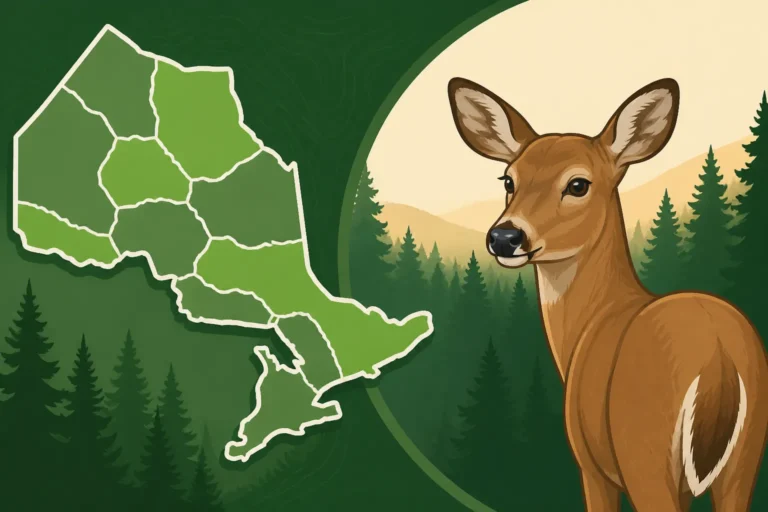
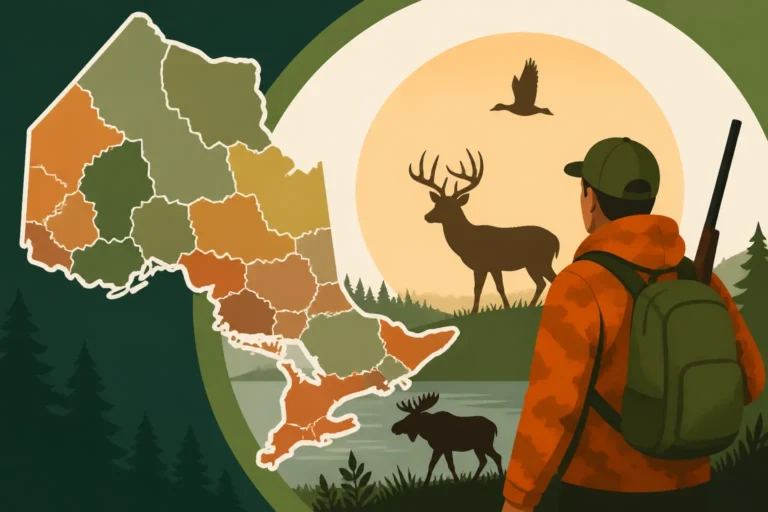
Not all of Ontario is open for spring bear hunting. The hunt is generally concentrated in the province's central and northern regions, where black bear populations are robust and sustainably managed. Southern Ontario WMUs, particularly those with higher human populations or specific conservation concerns, often have limited or no spring bear hunting opportunities. This means you can't just pick any spot on a map and go; you need to verify that your chosen WMU is designated for a spring bear hunt. Some WMUs, particularly in the deep south, only offer a fall season, or perhaps even a limited one.
For instance, WMUs like 13, 14, 15, and others in Northwestern Ontario are prime bear country, and typically have a full spring season. Conversely, many WMUs around urban centers like Toronto or Ottawa are closed to spring bear hunting. It’s essential to identify your WMU using a reliable map and then cross-reference it with the official regulations to confirm the specific dates. Digital mapping tools, such as those found on GoHunt, can be incredibly helpful for visualizing these WMU boundaries and understanding the geographical scope of your hunt. A quick search will show you which WMUs have a short spring bear season, giving you an idea of where opportunities might be more limited.
Bag Limits and Bear Validation Certificate
So, you've got your license, and you know where and when to hunt. But what about actually harvesting an animal? Ontario has clear rules regarding how many bears you can harvest and a crucial process for validating your kill. This isn't just bureaucracy; it's vital for wildlife management, providing data that helps biologists monitor bear populations and ensure healthy future hunting opportunities.
The One-Bear Rule
For both resident and non-resident hunters, the general rule is a bag limit of one black bear per hunter per calendar year. This means whether you hunt in the spring or the fall, once you’ve harvested a bear, your bear hunting for that year is done. It’s a simple rule but one that’s easy to overlook in the excitement of the hunt. There are no exceptions for specific WMUs or hunting methods; it’s one bear, period. This strict limit helps to maintain a stable bear population and distribute hunting pressure across the season. Always be mindful of this limit, especially if you also plan to participate in a fall bear hunt.
Mandatory Bear Validation Certificate
This is a critical step that many new hunters or those from other jurisdictions might not be familiar with. Upon harvesting a black bear, you are required to obtain a Bear Validation Certificate. This isn't something you do at home; it must be done within 24 hours of the kill, or before the hide and skull are removed from the WMU of kill, whichever comes first. You need to report your harvest and obtain a physical validation tag from an authorized ServiceOntario centre or participating licence issuer.
When you go to validate, you’ll need to provide details about your harvest, including the WMU, date of kill, sex of the bear, and whether it was taken over bait or by other means. This information is crucial for the province's wildlife management efforts. Failure to validate your bear correctly and promptly can result in fines and charges. Make sure you understand what the bear validation certificate requires and where your nearest validation location is before you head out on your hunt. It’s a small step that makes a big difference in responsible hunting.
Permitted Hunting Methods and Equipment
Ontario offers flexibility in how you hunt black bears in the spring, but this flexibility comes with specific regulations. Whether you prefer the classic stillness of a stand over bait or the more active approach of stalking, understanding the legal methods and equipment is essential for a compliant hunt.
Baiting Regulations
Baiting is a very popular and effective method for spring bear hunting in Ontario, especially for those who want to be able to judge the size and sex of a bear before taking a shot. However, baiting is heavily regulated. You must register your bait site with the Ministry of Natural Resources and Forestry (MNRF) before establishing it. This registration typically includes providing the location of your bait site.
There are also strict rules about what constitutes legal bait. Generally, natural, biodegradable materials are allowed, such as fruits, vegetables, grains, and sweets. However, certain items, like meat or fish from domestic animals, are prohibited to prevent the spread of disease or attracting non-target species. You must also regularly tend your bait site and ensure it remains clean. Setting a bear bait site in Ontario involves more than just dumping some donuts in the bush; it's a commitment to responsible and legal practices. Moreover, you cannot hunt within a specific distance of an active road or dwelling when baiting, so ensure your site is safely and legally located.
Legal Firearms and Archery Equipment
When it comes to what you can use to hunt, Ontario has clear guidelines for both firearms and archery equipment.
For firearms, legal options include rifles, shotguns, and muzzleloaders, provided they meet specific minimum calibre and energy requirements suitable for big game. For instance, common rifle calibres like .270, .30-06, and .308 are widely accepted. Shotguns must use slugs; buckshot is not permitted for bear hunting. Muzzleloaders also have minimum calibre requirements. It’s not just about what shoots, but what shoots effectively and ethically for a large animal like a bear. Always check the current regulations for the precise legal rifle calibres for big game.
For archery hunters, bows (compound, recurve, and longbows) and crossbows are permitted. There are minimum draw weight requirements for bows and specific regulations concerning broadheads. Broadheads must have at least two cutting edges and a minimum cutting diameter. Expanding or mechanical broadheads are generally allowed, but it's crucial to confirm they meet the legal specifications. Crossbows also have draw weight and bolt length requirements. Bowhunting Ontario's long archery season applies to deer, but for bears, the regulations focus more on the equipment itself.
Regardless of your chosen weapon, practicing with your equipment is paramount. Ethical hunting demands that you are proficient and confident in making a clean, humane shot.
| Equipment Type | Minimum Requirements (General) | Notes |
|---|---|---|
| Rifles | Minimum .270 calibre (for most big game) | Must use centre-fire ammunition. |
| Shotguns | 12 or 20 gauge | Must use single projectile slugs. Buckshot prohibited for bear. |
| Muzzleloaders | Minimum .44 calibre | Must be loaded with a single projectile. |
| Compound Bows | Minimum 40 lbs draw weight | Must use broadheads with specific cutting width/edges. |
| Recurve/Longbows | Minimum 40 lbs draw weight | Must use broadheads with specific cutting width/edges. |
| Crossbows | Minimum 150 lbs draw weight, specific bolt length | Must use broadheads with specific cutting width/edges. |
Disclaimer: This table provides general guidance. Always consult the most current Ontario Hunting Regulations Summary for precise and up-to-date legal requirements.
Ethical Hunting and Safety Practices
Beyond the legal requirements, ethical hunting and robust safety practices are the bedrock of responsible bear hunting in Ontario. These principles ensure the welfare of the animals, the safety of hunters and the public, and the long-term sustainability of the sport. Ignoring these aspects not only undermines the integrity of hunting but can also put lives at risk.
Bear Identification and Sow with Cubs Rule
One of the most critical ethical considerations in spring bear hunting is properly identifying your target. It is illegal to harvest a sow with cubs-of-the-year. This rule is in place to protect the reproductive capacity of the bear population and ensure the survival of young bears. Cubs are dependent on their mother for their first year, and removing the sow means the cubs will almost certainly perish.
Therefore, it is absolutely essential to observe bears carefully at your bait site or during stalking to confirm that no cubs are present. Cubs can be small and sometimes stay hidden, so patience and thorough observation are key. If you see a bear, and then later see cubs in the vicinity, or even suspect there might be cubs nearby, you must pass on that bear. It's a tough call sometimes, but it's part of being a responsible hunter. Understanding why you cannot shoot a sow with cubs is fundamental to ethical bear hunting in Ontario. Take your time, use binoculars, and err on the side of caution.
Safety in Bear Country
Hunting black bears means you're operating in their natural habitat, and while attacks are rare, awareness and preparedness are vital.
Firstly, always let someone know where you are going and when you expect to return. Cell service can be spotty or non-existent in many parts of Ontario's bush country, so a satellite communication device or a detailed plan with a check-in person is highly recommended.
Secondly, always carry bear spray and know how to use it. This is a non-lethal deterrent that can de-escalate a dangerous encounter. Make sure it's easily accessible, not buried in your pack.
Thirdly, proper meat care is crucial, especially in the warmer spring temperatures. Bears spoil quickly. Have a plan for field dressing and cooling your animal as quickly as possible. This includes having game bags, a way to hang the meat, and knowing how to get it out of the bush efficiently. You can find useful tips on field dressing in warm Ontario weather to keep your meat in top condition.
Finally, while sitting over bait, be aware of your surroundings. Bears can approach silently, and other wildlife, including other bears, might be in the area. Always maintain situational awareness, and avoid hunting alone in extremely remote areas unless you are highly experienced and have robust safety protocols in place. Your safety, and the preservation of the resource, are paramount.
Planning Your Spring Bear Hunt
A successful and enjoyable spring bear hunt in Ontario is often the result of meticulous planning. It's not just about showing up with a rifle; it's about understanding the environment, the logistics, and how to maximize your chances while staying compliant with all regulations.
Scouting and Researching Your WMU
Before you even set foot in the woods, a significant part of your hunt planning should involve scouting and researching your chosen WMU. This means more than just looking at a map; it involves understanding the terrain, identifying potential bear habitat, and considering access points. Tools like online topographic maps, satellite imagery, and even dedicated hunting apps such as GoHunt can provide invaluable insights into the lay of the land, helping you pinpoint likely areas for bear activity, den sites, and travel corridors.
Consider factors like water sources, dense cover, and areas where natural food sources might be emerging in the spring. For example, fresh green growth in clearings or south-facing slopes can attract bears early in the season. Learning how to read an Ontario WMU map before you go can give you a significant advantage. If you're working with an outfitter, they will likely have done much of this work already, but understanding the area yourself still helps you contribute to the hunt and appreciate the landscape.
What to Pack and Prepare
The weather in Ontario during May and June can be unpredictable, swinging from warm, sunny days to cold, rainy, or even snowy conditions, especially in the north. Layered clothing is your best friend, allowing you to adapt to changing temperatures. Waterproof outer layers are non-negotiable. Don't forget bug protection! Black flies and mosquitoes can be relentless in the spring bush, so pack good quality bug repellent, head nets, and perhaps even a Thermacell.
Beyond clothing, ensure your weapon is sighted in and you have enough ammunition. A good pair of binoculars is essential for bear identification. Navigation tools, whether a GPS unit or a reliable map and compass, are vital, especially if you're What to Do If You Get Turned Around. First-aid kits, a sharp knife, rope, and a headlamp are also must-haves. For bait hunters, consider scent control products, a comfortable stand or blind, and sturdy containers for your bait. Remember, a well-prepared hunter is a safe and successful hunter.
Post-Harvest Responsibilities and Meat Care
After a successful harvest, your responsibilities don't end. We've already touched on the mandatory Bear Validation Certificate, but beyond that, proper meat handling is paramount. Spring temperatures can be warm, and bear meat can spoil quickly if not handled correctly. Field dress your bear promptly and efficiently, removing all internal organs to facilitate rapid cooling. Get the hide off the carcass as soon as possible, especially if you plan to get it tanned or mounted.
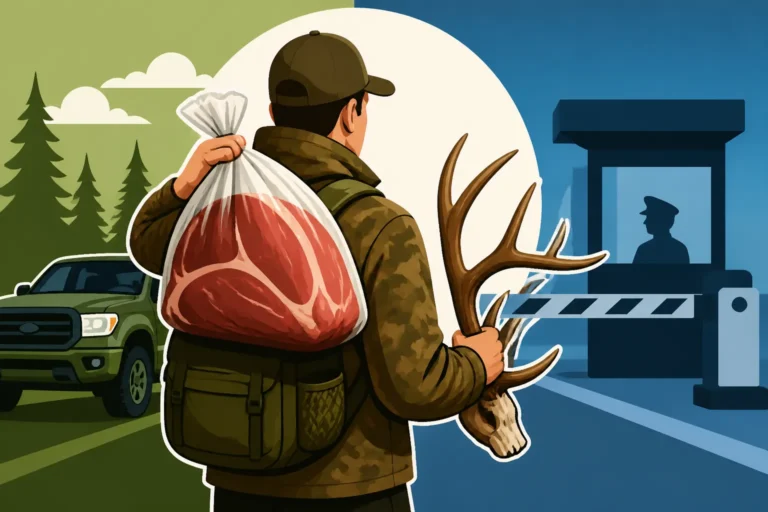
If you are a non-resident, remember that you’ll need a Non-Resident Export Permit to take your meat and hide out of the province. This is usually arranged through your outfitter or directly with the MNRF. Ensure you have a plan for processing your meat, whether you're doing it yourself or taking it to a local butcher. Many outfitters have facilities or connections for this, which can simplify the process significantly. Taking care of your harvest respectfully and thoroughly is the final step in an ethical hunt.
Disclaimer
The information provided in this guide is for general informational purposes only and does not constitute legal advice. Hunting regulations in Ontario are subject to change, and it is the responsibility of every hunter to consult the most current official Ontario Hunting Regulations Summary available from the Ministry of Natural Resources and Forestry (MNRF) before heading out. Always hunt safely and ethically.