Hunting an Ontario River Valley
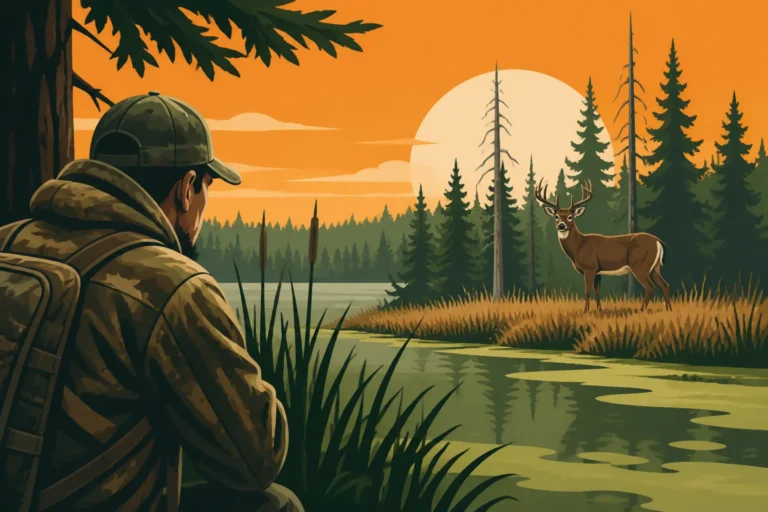
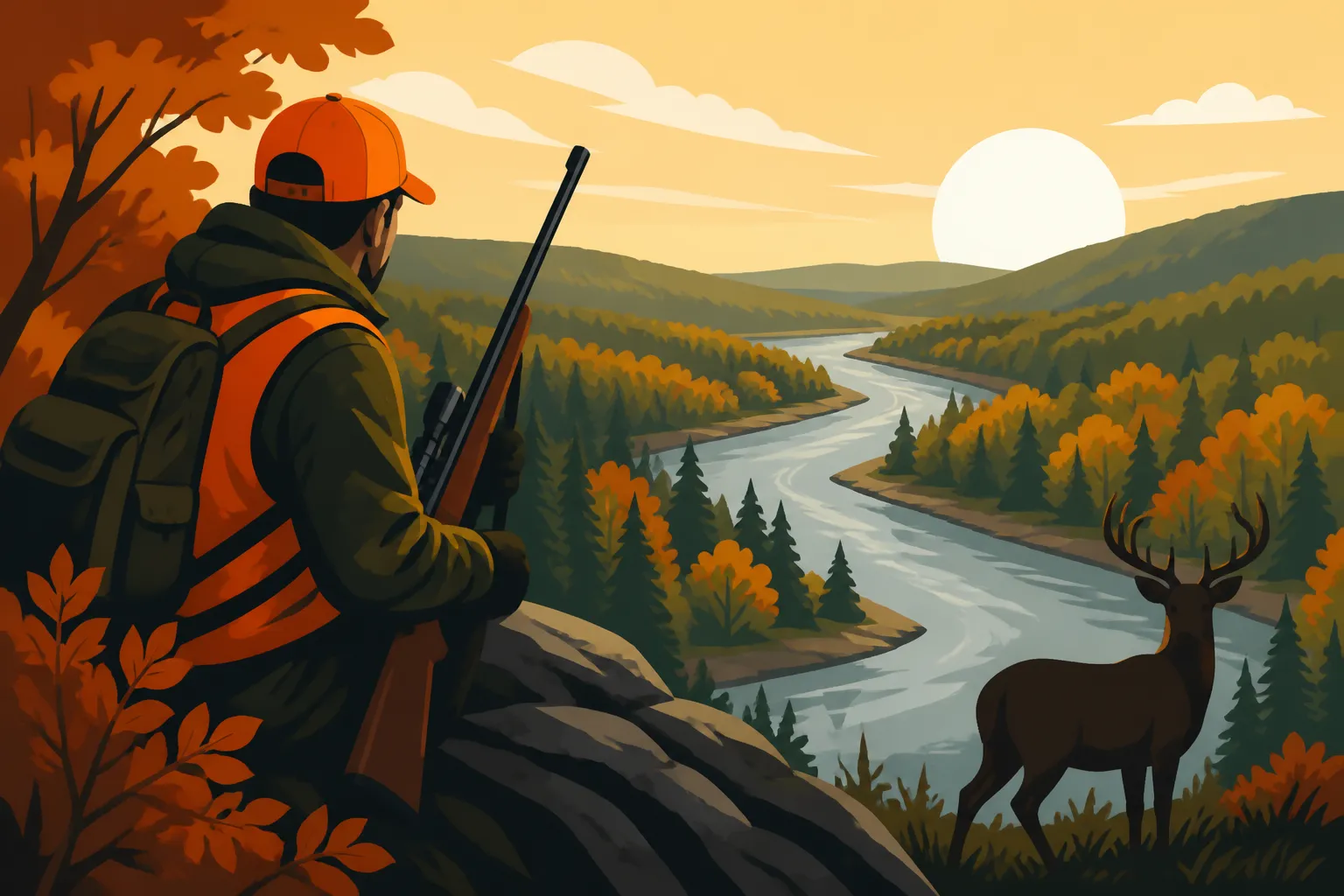
There’s something uniquely captivating, and sometimes incredibly frustrating, about hunting an Ontario river valley. Unlike the sprawling bush or open agricultural fields, river valleys offer a ribbon of life, a distinct ecosystem that funnels and concentrates wildlife. But with that concentration comes a maze of thick cover, shifting water, and often tricky access that can leave even seasoned hunters scratching their heads. This guide is all about demystifying those winding waterways, helping you unlock the secrets to successful hunting in Ontario’s riverine landscapes.
The Unique Ecology of Ontario River Valleys and Its Hunting Implications
Ontario is crisscrossed by countless rivers, from the mighty Ottawa River and French River that carve through vast swaths of Canadian Shield, to the more intimate Grand River and Saugeen River meandering through southern farmlands. Each offers a distinct hunting experience, but they all share a fundamental characteristic: they are natural corridors, magnets for wildlife, and often overlooked by hunters who stick to dryer ground.
Rivers as Natural Wildlife Corridors and Magnets
Imagine a river as a superhighway for wildlife. Deer, moose, bear, and countless smaller creatures use these corridors to travel, find food, and seek refuge. The banks often boast a rich mix of vegetation – everything from dense alder and willow thickets providing vital cover, to towering maples and oaks dropping acorns in the fall, offering a feast for many species. Water itself is a primary attractant, especially during dry spells or late-season freezes when other sources are locked up. Animals are drawn to the river for drinking, but also to cross, to escape pressure, or simply because it's the path of least resistance through dense bush.
The thermal cover provided by thick conifers, often found along riverbanks, is another huge draw, particularly when the weather turns nasty. This makes river valleys prime real estate for game seeking shelter from biting winds or heavy snow. For instance, in areas like the Mississagi River valley in central Ontario, you'll often find mature pine and cedar stands lining the water, offering perfect wintering grounds for whitetails.
Understanding Riverine Vegetation Zones
River valleys aren't uniform; they’re a series of micro-habitats. Closer to the water, you'll find riparian zones dominated by moisture-loving plants like alders, willows, and various sedges. These areas are incredibly dense, making travel difficult for humans but offering incredible sanctuary for game. Further up the bank, depending on the topography and soil, you might transition into mixed hardwoods or even stands of pine and spruce.
Knowing these zones is crucial for predicting where different animals will be at different times of the year. For instance, a black bear might be found tearing apart rotting logs for grubs in the wetter, alder-choked bottomlands in spring, then move higher up to drier ridges to feed on berries later in the summer. Deer, on the other hand, might spend daylight hours bedded in the thickest cedar swamps bordering the river, only to emerge at dusk to feed on agricultural fields or browse palatable saplings further away. When you're Hunting Deer in Ontario's Mixed Forest, these transitions along a river can be incredibly productive.
Strategic Approaches to Hunting Big Game in River Valleys
Hunting big game in a river valley demands a different mindset and skillset than still-hunting a hardwood ridge or sitting over a field edge. It’s often about patience, stealth, and understanding how animals use the unique features of the landscape.
Scouting for Key Terrain Features and Animal Sign
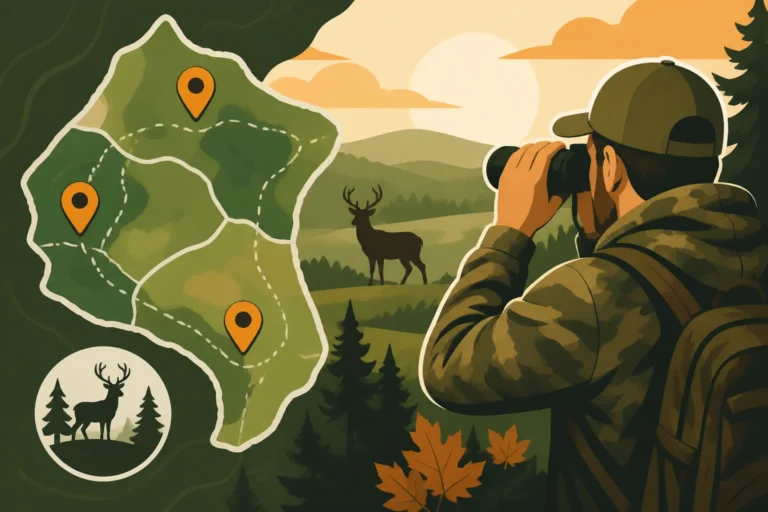
Before you even step foot in the woods with your bow or rifle, thorough scouting is paramount. Rivers create natural pinch points: bends in the river where the distance between two opposing banks narrows, or where a hard bank forces animals into a predictable crossing point. Look for these funnels on maps. Using tools like GoHunt can be incredibly helpful here, as you can layer satellite imagery with topographic maps to identify these features and even potential trails that parallel the river.
Beyond pinch points, look for heavily used trails along the banks, particularly those leading to and from agricultural fields, dense bedding cover, or other water sources like beaver ponds. Speaking of beaver ponds, Hunting a Beaver Meadow Crossing near a river can be incredibly productive, as these areas often concentrate game. Keep an eye out for rub lines, scrapes, and fresh tracks, which will tell you not just that animals are there, but how recently they’ve been using the area and perhaps even their direction of travel. Pay attention to droppings to understand what they're eating – a good indicator of seasonal food sources.
Mastering Scent Control Near Water
One of the biggest challenges in river valley hunting is managing your scent. Air currents along rivers are notoriously tricky. They can swirl and eddy, carrying your scent in unpredictable directions. What might seem like a steady breeze can suddenly shift, blowing your scent directly into the very thicket you’re hoping a deer will emerge from.
Always try to set up on the downwind side of where you expect game to appear. However, with river systems, this isn’t always straightforward. Consider using thermal currents to your advantage. In the morning, cooler air often flows downhill into the valley, while in the evening, warmer air rises out. Plan your approach and stand placement accordingly. If possible, consider elevated positions like tree stands that give your scent cone more room to dissipate before hitting the ground where animals are. Even then, meticulous scent control – showering with scent-eliminating soaps, washing clothes in scent-free detergent, and storing them properly – is vital. Never assume the wind will cooperate; always hunt as if it’s going to betray you.
Utilizing Water Access and Travel Routes
Many Ontario river valleys, especially in the north, are difficult to access by foot or vehicle. This is where a canoe, kayak, or small boat becomes your best friend. Being able to silently paddle into remote sections of a river opens up vast amounts of untouched hunting ground. Imagine slipping into a remote stretch of the French River or a lesser-known tributary in the pre-dawn darkness, setting up overlooking a prime beaver complex, while other hunters are still bumping trucks down logging roads. This is a game-changer.
If you're considering Hunting Moose From a Boat or Canoe, a river valley is the ideal setting. You can cover significant distance quietly, scouting shorelines for tracks and browse, or listening for calls during the rut. For deer and bear, a boat allows you to quietly reach bedding areas or food sources that are otherwise inaccessible, letting you approach from an unexpected direction. Remember to secure your vessel properly and be mindful of fluctuating water levels, especially during spring and fall rains. For longer excursions into remote sections, remember that Hunting Ontario's Crown Land often requires careful planning for access and egress.
Table: River Valley Game Sign and Best Hunting Strategies
| Game Species | Common River Valley Sign | Preferred River Features | Best Hunting Strategy |
|---|---|---|---|
| Whitetail | Rubs, scrapes, worn trails, browsed saplings, tracks | Thick cedar/alder swamps, beaver flowages, crossings | Still-hunting, stand hunting pinch points, rattling/grunting |
| Moose | Large tracks, browsed willows/alders, mud wallows, rubs | Boggy edges, beaver ponds, deep water crossings | Calling, still-hunting bog edges, boat access scouting |
| Black Bear | Torn logs, flipped rocks, scat, tracks, claw marks | Berry patches, dense thickets, remote river bends | Spot-and-stalk (if open), sitting over natural food sources |
| Waterfowl | Droppings, feathers, feeding activity, roosting areas | Eddies, backwaters, slow sections, marshy banks | Decoying, jump-shooting, pass-shooting |
| Grouse | Dust baths, droppings, flushed birds | Aspen/birch stands, dense alder, old logging roads | Still-hunting dense cover, using flushing dogs |
Beyond Deer: Other Game in Ontario River Valleys
While whitetails often steal the spotlight, Ontario’s river valleys are teeming with other incredible hunting opportunities. From the explosive flush of a grouse to the majestic presence of a feeding moose or the stealthy movements of a bear, these dynamic environments support a diverse array of game.
Waterfowl Hunting in Riverine Systems
Rivers, especially slower-moving sections, backwaters, and eddies, are prime habitat for ducks and geese. While vast marshes get a lot of attention, smaller rivers and their feeder creeks can offer fantastic jump-shooting or decoy setups. Mallards, wood ducks, and black ducks often utilize these smaller waterways, especially during migration. Look for areas where the river widens, creating marshy fringes, or where small tributaries flow in, creating pockets of calmer water.
Setting up a small spread of decoys in a sheltered eddy or along a bank where ducks are known to loaf can be incredibly effective. Pay attention to flight paths as birds follow the river contour. For a more active hunt, jump-shooting around bends or through thick cattail fringes can yield exciting results. You’ll be surprised how many birds are tucked away in what seems like insignificant pockets of water. For a full understanding, check out Waterfowl Hunting Across Ontario to round out your knowledge.
Black Bears Along River Systems
Black bears are opportunists, and river valleys offer everything they need: dense cover, water, and an abundance of food sources throughout the seasons. In spring, bears will cruise riverbanks looking for emerging green vegetation, carrion, or even fish. Later in summer and fall, the berry crops (blueberries, raspberries, sarsaparilla) that often flourish on the drier edges of river valleys become huge attractants. They will also seek out acorns and other mast crops that might be abundant in the hardwoods further up from the river.
Hunting bears in a river valley can involve still-hunting slowly along known travel corridors, keeping an eye out for fresh tracks or overturned rocks where they've been foraging. Alternatively, if baiting is permitted in your Wildlife Management Unit (WMU) and you decide to go that route, placing a bait site strategically within a bear’s expected travel path along a river can be highly effective. The dense cover often means shorter shot distances, requiring a calm nerve and quick decision-making. Don't forget that Black Bear Hunting in Ontario offers varied experiences depending on the region and season.
Moose and Their Affinity for River Valleys
For those venturing into Northern Ontario, river valleys are quintessential moose country. Moose thrive in the mixed forest and boreal environments where rivers create extensive areas of palatable browse. They love to feed on aquatic vegetation in shallow water during summer, and the willows and alders along riverbanks are a year-round staple. During the rut, bull moose will often patrol river systems looking for cows, and the sounds of calling can carry for great distances across the water.
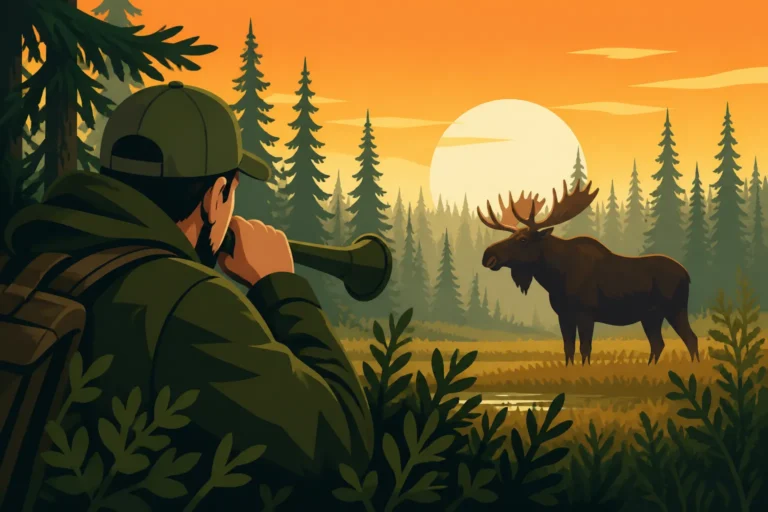
When moose hunting, focus your efforts on marshy river edges, beaver flowages, and areas where the river creates natural funnels in the landscape. Listening for calls at dawn and dusk, or slowly Calling Moose in Ontario's Boreal Forest from a canoe, can be a thrilling and effective strategy. Using a canoe or small boat allows you to access remote sections that might hold undisturbed animals. Remember, moose are big animals, and getting one out of a remote river valley requires serious planning – consider how you'll manage quartering and extraction before you even pull the trigger.
Practical Considerations for River Valley Hunts
Hunting in river valleys presents unique logistical and safety challenges that need to be addressed before you head out. Being prepared for anything that Mother Nature or the terrain throws at you can make the difference between a successful, safe hunt and a miserable, potentially dangerous one.
Access Challenges and Solutions
Getting into, and more importantly, out of, many Ontario river valleys can be tough. In Southern Ontario, river valleys often mean steep banks and often private land access. Always ensure you have explicit permission if you're on private property. For Crown land, a detailed map and aerial imagery from services like GoHunt are crucial for identifying potential parking spots, old logging roads, or access points where you can launch a canoe.
In Northern Ontario, rivers often form natural barriers. Hunting an Old Logging Road in the North might get you close, but the last mile or two to the river could be a bushwhack. Consider a two-vehicle approach if possible, leaving one vehicle downstream for easier extraction. Waders or hip boots are often essential, even for seemingly small crossings, as riverbeds can be unpredictable and water levels can change quickly.
Essential Gear for Riverine Environments
Your gear list for a river valley hunt should be tailored to wet, rugged conditions.
- Waterproof Everything: This isn't just a suggestion; it's a necessity. Your backpack, optics, electronics, and spare clothing should all be in waterproof dry bags.
- Waders or Hip Boots: You will get wet. Investing in good quality, comfortable waders can make navigating soggy banks and crossing shallow channels much more tolerable.
- Navigation Tools: GPS, a reliable compass, and detailed physical maps are non-negotiable. Cell service is often spotty or nonexistent in river valleys, especially in the north. GoHunt’s offline mapping capabilities can be a lifesaver. Being able to find your way back, even if you have to What to Do If You Get Turned Around, is critical.
- Axe or Saw: Deadfall and thick brush are common in river valleys. A small folding saw or axe can help clear paths or build a quick shelter.
- First-Aid Kit: Always carry a comprehensive kit, including essentials for cuts, scrapes, insect bites, and blisters.
- Communication Device: A satellite messenger or two-way radio can be invaluable for emergencies in areas without cell service.
Safety Considerations Near Water
Hunting near water carries inherent risks. Swift currents, slippery banks, and deep sections can all pose a danger. Always wear a PFD (personal flotation device) if you’re using a boat, even a canoe, especially when the water is cold. Inform someone of your float plan – your entry point, exit point, and expected timeline.
Be mindful of ice conditions if you're hunting late in the season. What looks like solid ice can be thin and dangerous, especially near currents or feeder creeks. If you’re crossing a beaver dam or other natural structure, test it before committing your full weight.
Field Dressing and Meat Care in Humid Conditions
River valleys can be surprisingly humid, even in cooler weather, which makes proper meat care even more critical, especially in the early seasons. Once you've harvested an animal, getting it field dressed promptly is crucial to start the cooling process. Get that hide off and the animal quartered as quickly as possible. For larger game like moose or bear, having a reliable method for hanging meat, even temporarily, can aid in cooling.
If you’re working near water, keep the meat clean and away from contaminants. For detailed advice, you can revisit resources like Field Dressing in Warm Ontario Weather. Consider using game bags that allow air circulation while protecting the meat from insects. If you have a long extraction ahead, plan for how you'll keep the meat cool, perhaps by packing snow or ice around it if conditions allow. The last thing you want is for your hard-earned harvest to spoil due to poor meat handling.
Disclaimer
Hunting is a regulated activity. Always consult the most current Ontario Hunting Regulations Summary published by the Ministry of Natural Resources and Forestry (MNRF) before heading out. Regulations, season dates, and bag limits can change annually and vary by Wildlife Management Unit (WMU). It is your responsibility to know and follow all applicable laws. This guide is for informational purposes only and does not replace official regulations or professional guidance.