Hunting Ontario Ground With Cattle On It
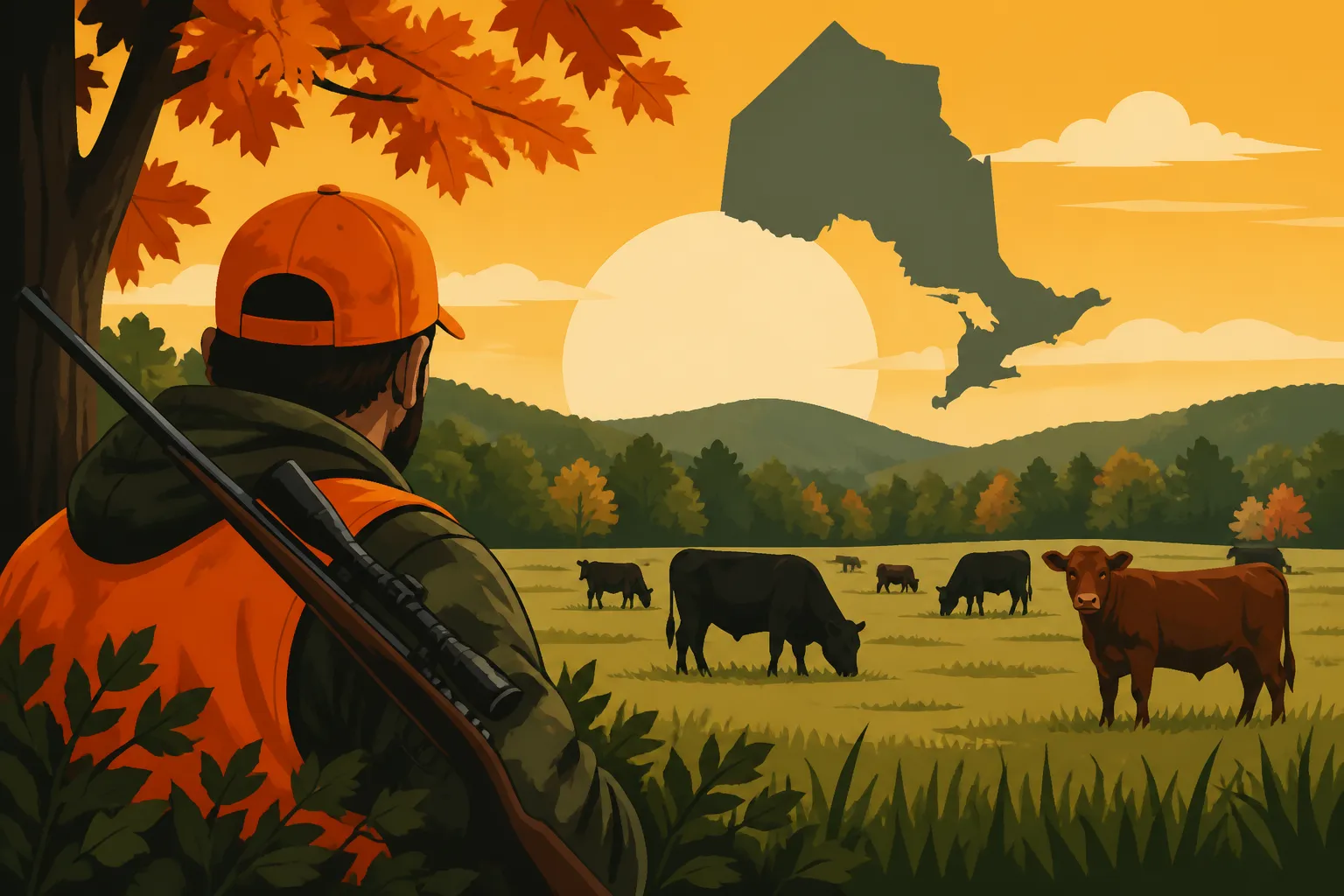
It's a common scenario for many hunters, especially in Ontario's rich agricultural belts: you've finally secured permission to hunt a promising bush lot or woodlot, only to discover it borders or even contains active pastures with cattle. Your heart might sink a little as you wonder, "Can I actually hunt here safely and ethically?" or "How do I even approach this situation without causing problems?" This guide is all about demystifying the process of hunting on Ontario ground where cattle are present, helping you navigate the unique challenges and opportunities while ensuring a safe and respectful experience for everyone involved – especially the livestock.
Understanding the Landscape: Challenges and Opportunities
Hunting land with cattle on it isn't just about managing the animals; it's about understanding how their presence shapes the entire hunting environment. From safety concerns to deer movement patterns, everything shifts a little when livestock are part of the equation. It demands a higher level of awareness and a slightly different strategic approach than hunting purely wild land.
The Immediate Concerns of Livestock Presence
When you step onto land shared with cattle, several immediate concerns likely jump to mind, and rightly so. First and foremost, safety is paramount. A firearm discharge near livestock carries significant risks, not only to the animals themselves but also to the hunter if a cow were to be spooked and charge, or worse, if a bullet ricocheted. These aren't wild animals accustomed to human presence and loud noises in the same way deer might be. They are domesticated, often curious, and can be unpredictable when startled.
Beyond the immediate safety aspect, there's the very real concern of property damage and liability. Fences can be knocked down, gates left open, and even the simple act of walking through a field can disturb pasture or crops. Farmers work incredibly hard, and the last thing you want to do is create extra work or financial strain for them. It's crucial to remember that gaining hunting permission is a privilege, and maintaining a good relationship with the landowner hinges on respecting their property, their animals, and their livelihood. Nobody wants to be the reason a farmer says "no" to hunters in the future.
How Cattle Influence Game Movement and Behavior
It might seem counterintuitive, but cattle can actually create interesting opportunities for hunters, even as they present challenges. Deer, for instance, often become somewhat accustomed to the presence of cattle. They might graze in the same fields, using the cattle as a form of natural "cover" from human detection. I've seen deer bedded down just a hundred yards from a herd of cows, seemingly unbothered by their bovine neighbours. This familiarity can mean deer are less jumpy in areas with livestock than they might be in fields with no human or animal activity.
However, cattle can also alter traditional game patterns. A well-used deer trail might get trampled into a muddy mess by a herd of cows moving to water, or a bedding area might be disrupted by their grazing. You need to scout these areas with an eye for both deer sign and cattle sign. Look for pinch points where deer navigate around pastures or use fencerows as travel corridors. Areas where crops meet a woodlot that also borders a pasture can be particularly productive. Digital mapping tools, like those available through onX Hunt, can be incredibly useful here. You can mark cattle locations, note common travel routes for both livestock and game, and even identify potential blind or stand locations that offer clear shooting lanes away from any animals. Always be thinking about the "safe shot" scenario.
Navigating Permissions and Regulations
Before you even think about setting foot on land with cattle, you need to ensure you're squared away with permissions and understand the specific rules that apply. This isn't just about being a good guest; it's about legality and the future of hunting access.
The Critical Conversation with the Landowner
Your first and most important step is to have a clear, honest, and detailed conversation with the landowner. Never assume anything. When you're Getting Private Land Permission in Ontario, explicitly ask about the presence of livestock. If they have cattle, inquire about their usual grazing patterns, where they water, and any specific concerns or requests the farmer has. They might ask you to avoid certain areas entirely, to only hunt from specific blinds, or to always ensure gates are securely closed behind you.
Here are some key questions to discuss:
- Are there specific areas where cattle are usually present or moved?
- Are there any times of day or specific days when you prefer I avoid hunting?
- What are your expectations regarding gates and fences? (Always assume you need to close gates, even if you find them open.)
- What should I do if I accidentally spook the cattle or cause a problem? (This shows responsibility and foresight.)
- Is there a specific contact number if I have an emergency or see an issue with the cattle?
- Where are your property boundaries? (Knowing these precisely is crucial to avoid Ontario Trespass and Landowner Law.)
Being proactive and respectful in this conversation builds trust. Remember, this isn't just about your hunt; it's about the landowner's comfort and confidence in allowing you access.
Specific Hunting Regulations and Safety Protocols
While Ontario's hunting regulations generally apply across the board, there can be additional considerations when hunting near livestock. There aren't typically specific provincial regulations prohibiting hunting near cattle, but the onus is always on the hunter to ensure safety and ethical conduct. This means taking extra precautions.
- Minimum Safe Distance: While no legal minimum distance from livestock might be specified, exercising extreme caution is vital. Never take a shot if there's any chance a bullet could strike or ricochet towards a cow. A good rule of thumb is to avoid shooting towards any area where cattle are actively grazing or resting.
- Weapon Choice: Depending on the setup, some hunters might opt for archery equipment over firearms if it allows for a more controlled, shorter-range shot in specific situations, minimizing the risk of over-penetration or missed shots travelling far. However, this is a personal choice and depends entirely on the terrain and your comfort level.
- Reporting Incidents: If, despite all precautions, something unforeseen happens involving livestock, immediately inform the landowner. Transparency is key to maintaining a positive relationship.
It’s always a good idea to revisit your Ontario Hunter Education Requirements training, as safe shooting practices and ethical considerations are a core component, especially when dealing with unique hunting environments like those shared with livestock.
Strategic Hunting Approaches
So, you've got permission, you've talked to the landowner, and you understand the lay of the land. Now, how do you actually hunt these areas effectively and safely? It boils down to smart scouting, careful stand placement, and disciplined shot selection.
Scouting for Game in Shared Environments
Scouting becomes a multi-faceted task when cattle are involved. You're not just looking for deer sign; you're also observing cattle patterns. Use a good mapping app like onX Hunt to mark areas where cattle typically congregate, feed, or water. Then, overlay your deer sign observations – rubs, scrapes, tracks, and droppings. You'll often find deer using edges of pastures, particularly if there's a fencerow or a line of trees Hunting a Fencerow Between Two Fields.
Pay close attention to where deer might feel secure transitioning from a bedding area in the bush to a feeding area, avoiding direct interaction with the cattle. A Hunting a Bush Lot Beside a Farm can be prime territory, as deer can quickly duck into heavy cover if disturbed. Look for subtle deer trails that skirt the edges of cattle-grazed areas or cross through sections that are less frequently used by livestock. Sometimes, deer will even use the taller vegetation within a pasture for bedding during the day, especially if the cattle are elsewhere. Your goal is to find the zones where deer and cattle don't overlap, or where deer feel confident enough to move through despite the cattle.
Stand Placement and Shot Angles
Selecting a stand location requires even more thought when cattle are present. Your primary goal is to ensure that every potential shot will have a safe backdrop that is clear of livestock. This means:
- Elevated Stands: Treestands or elevated blinds are often ideal as they provide a safer downward angle for your shot, reducing the risk of a pass-through round or an errant arrow traveling too far. They also give you a better vantage point to survey the area for both deer and cattle before taking a shot.
- Backdrop Awareness: Always position your stand so that any shot taken toward a deer will have a natural backstop – a hill, a thick bush line, or even a standing corn field that isn't being grazed. Never shoot towards open pasture where cattle might be out of sight or over the horizon.
- Wind Direction: As always, play the wind, but consider how the scent of cattle (and any associated human activity) might influence deer movement near the pasture.
- Access Routes: Plan your access to and from your stand carefully. Avoid walking directly through active grazing areas or spooking cattle on your way in or out.
When you're actually on stand, it's about patience and discipline. You might have to pass on shots you'd normally take on unpopulated land if cattle are in the background or too close for comfort. That's just part of being a responsible hunter.
Safety First: Coexisting with Livestock
The success of your hunt, and indeed your ability to hunt this land again, hinges on your commitment to the safety and well-being of the livestock. It's not just a suggestion; it's a moral and ethical obligation.
Maintaining a Safe Distance and Avoiding Disturbance
The simplest rule is this: keep your distance from the cattle. While they might seem calm, a startled cow can react unpredictably. Avoid walking directly into a herd, especially if there are calves present. Cows can be very protective of their young. If you encounter cattle while still-hunting or stalking, give them a wide berth. Circle around them, retreat, and find an alternative route if necessary.
Loud noises, sudden movements, or even the scent of a predator (like a hunter) can stress livestock. Move quietly and deliberately. If you have a dog (and assuming the landowner has given permission for it), ensure it is always under strict control and will not bother the cattle. A dog chasing cows is an absolute nightmare for a farmer.
The Hunter's Responsibility Table
Here’s a quick guide to your responsibilities when hunting on land with cattle:
| Action | Description | Why It Matters |
|---|---|---|
| Communicate Clearly | Discuss livestock presence, movements, and any specific landowner requests before your hunt. Re-confirm if anything changes. | Builds trust, prevents misunderstandings, and shows respect for the landowner's livelihood. |
| Respect Fences/Gates | Always leave gates exactly as you find them (open or closed) or as specifically instructed by the landowner. Do not climb fences; use gates or designated crossings. | Prevents cattle from escaping, entering dangerous areas, or mixing with other herds. Maintains farm infrastructure. |
| Safe Shot Selection | Never take a shot if cattle are in the line of fire, behind your target, or too close to be safely impacted by noise or projectile. Prioritize elevated stands for downward angles. | Absolutely critical for animal welfare and hunter safety. Avoids injury or death to valuable livestock and potential legal liability. |
| Maintain Distance | Keep a respectful distance from cattle, especially cows with calves. Avoid spooking them with loud noises or sudden movements. | Minimizes stress to the animals, prevents stampedes or aggressive behaviour, and reduces the chance of injury to you or the livestock. |
| Report Issues | Immediately inform the landowner if you notice any damage (e.g., broken fence), signs of illness or injury to cattle, or if you accidentally disturb the herd. | Allows the landowner to address problems quickly, showcases your integrity, and helps maintain your hunting privilege. |
| Clean Up Harvest | If you harvest an animal, Field Dressing in Warm Ontario Weather should be done efficiently. Ensure all gut piles are placed discreetly, away from active grazing areas or water sources the cattle use. | Reduces the attraction of scavengers (coyotes, bears) to areas frequented by cattle. Maintains a clean, respectful environment. |
Post-Harvest Considerations
Once you've successfully harvested an animal, your careful consideration for the cattle isn't over. Dragging a deer across a pasture might seem like the easiest route, but consider the impact. It can tear up the pasture, leave a scent trail that might attract other predators to the area frequented by the cattle, and simply be disrespectful to the farmer. Plan your extraction route to avoid active cattle areas as much as possible.
Also, think about where you perform your field dressing. While it's natural to leave gut piles, try to place them discreetly and away from direct sightlines of the farmhouse or commonly used cattle paths. The last thing a farmer wants is to see coyotes or bears drawn closer to their herd by a gut pile left in an obvious spot.
Hunting on ground with cattle can be incredibly rewarding. It often means accessing good hunting areas in agricultural regions where deer thrive. With respect, careful planning, and a strong commitment to safety, you can enjoy these unique opportunities for years to come.
Disclaimer
This article is for general informational purposes only and does not constitute professional advice. Laws, prices and regulations vary by location and change over time. Consult a qualified professional for guidance on your specific situation.